Installation: THE MARKET
September 8, 2013 § Leave a comment
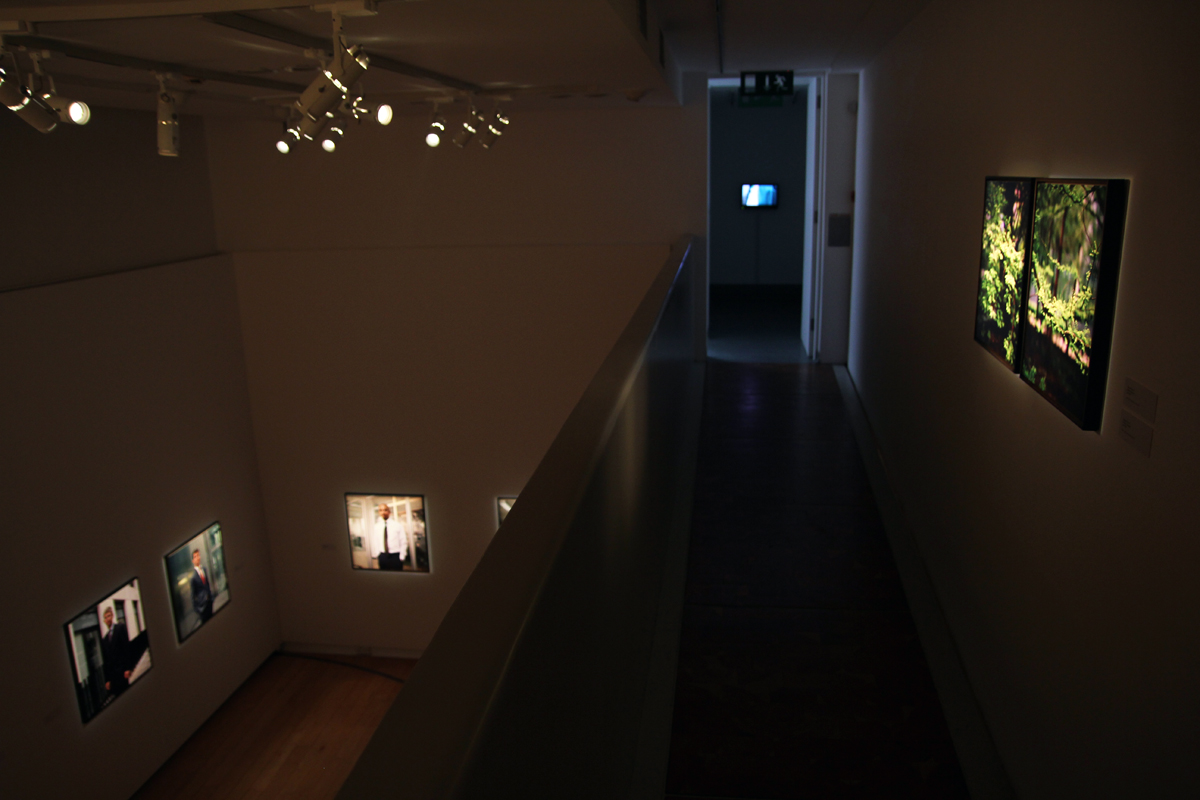
Gallery of Photography, Dublin 24 August – 1 october 2013
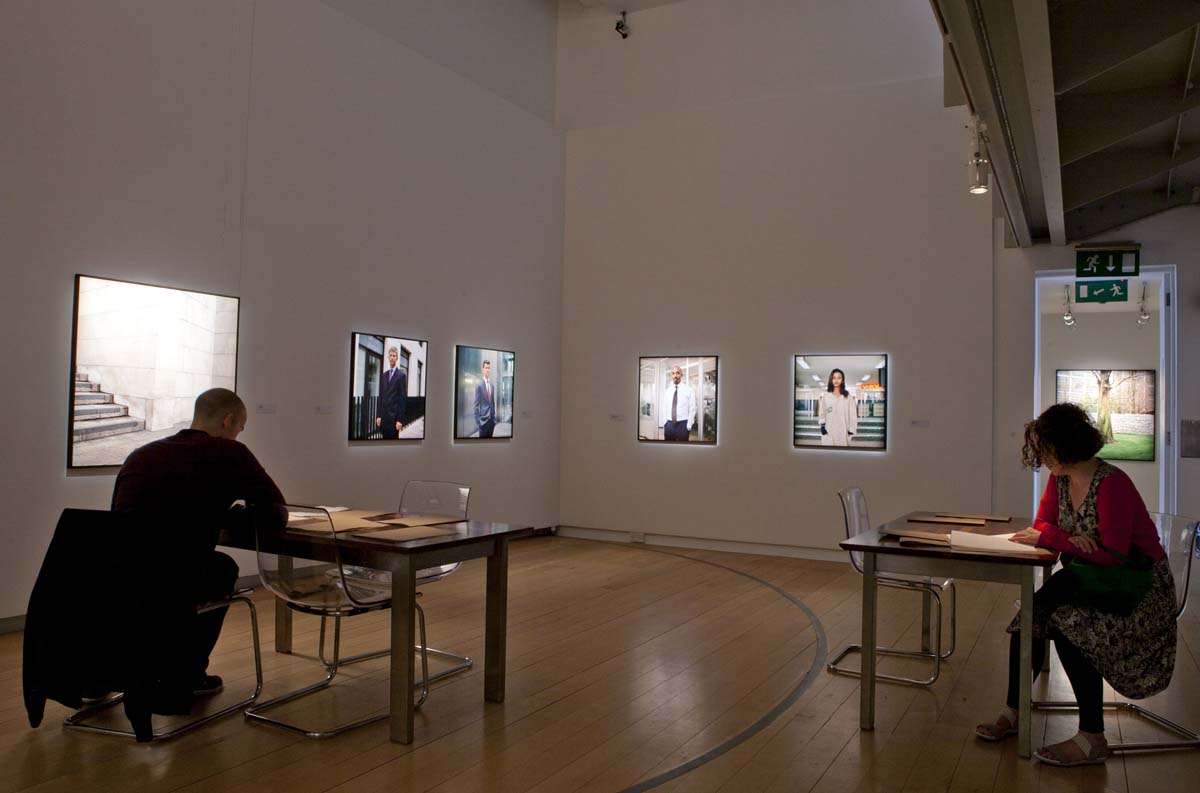
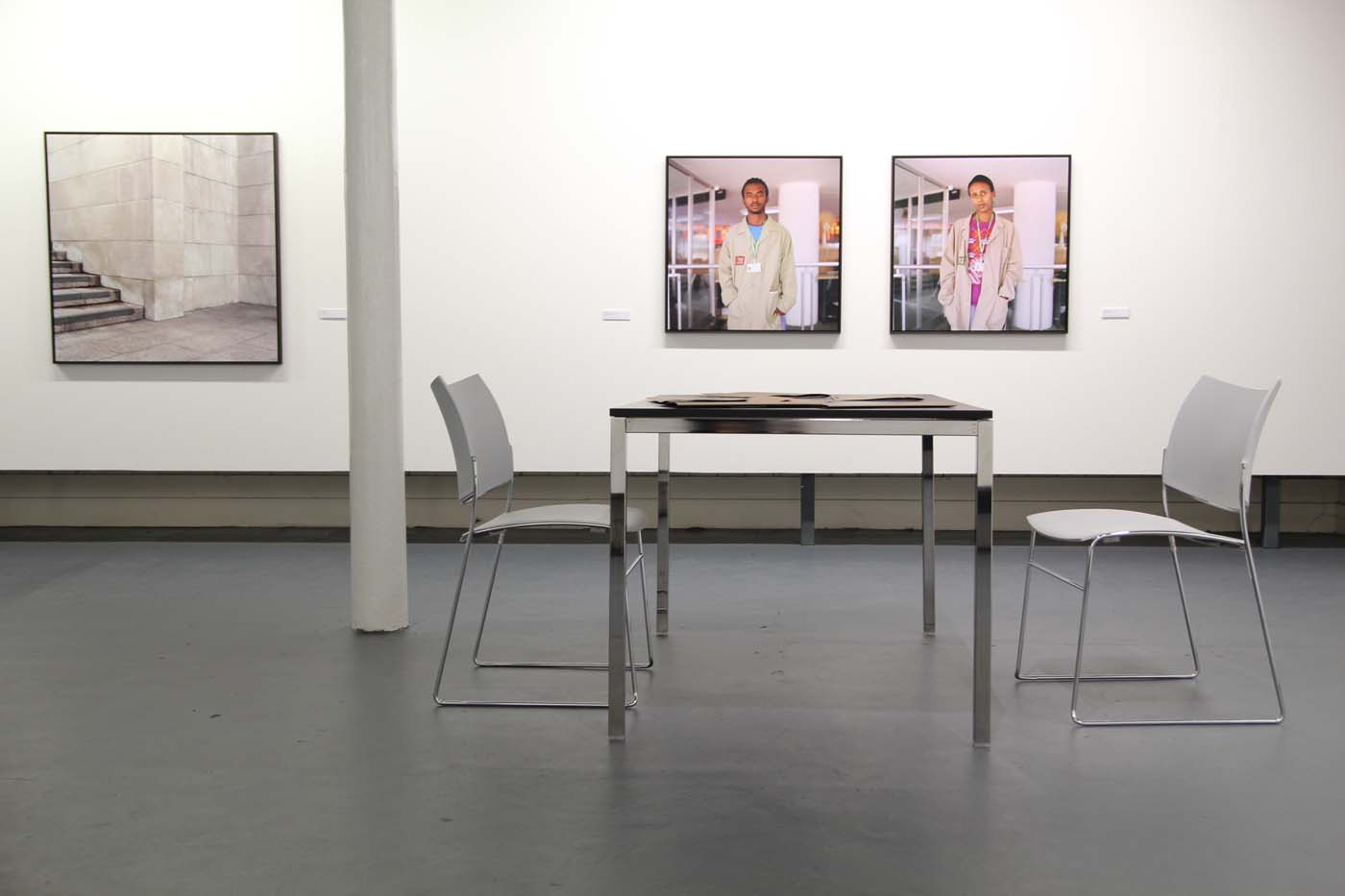
(installation photograph by Jamin Keogh)
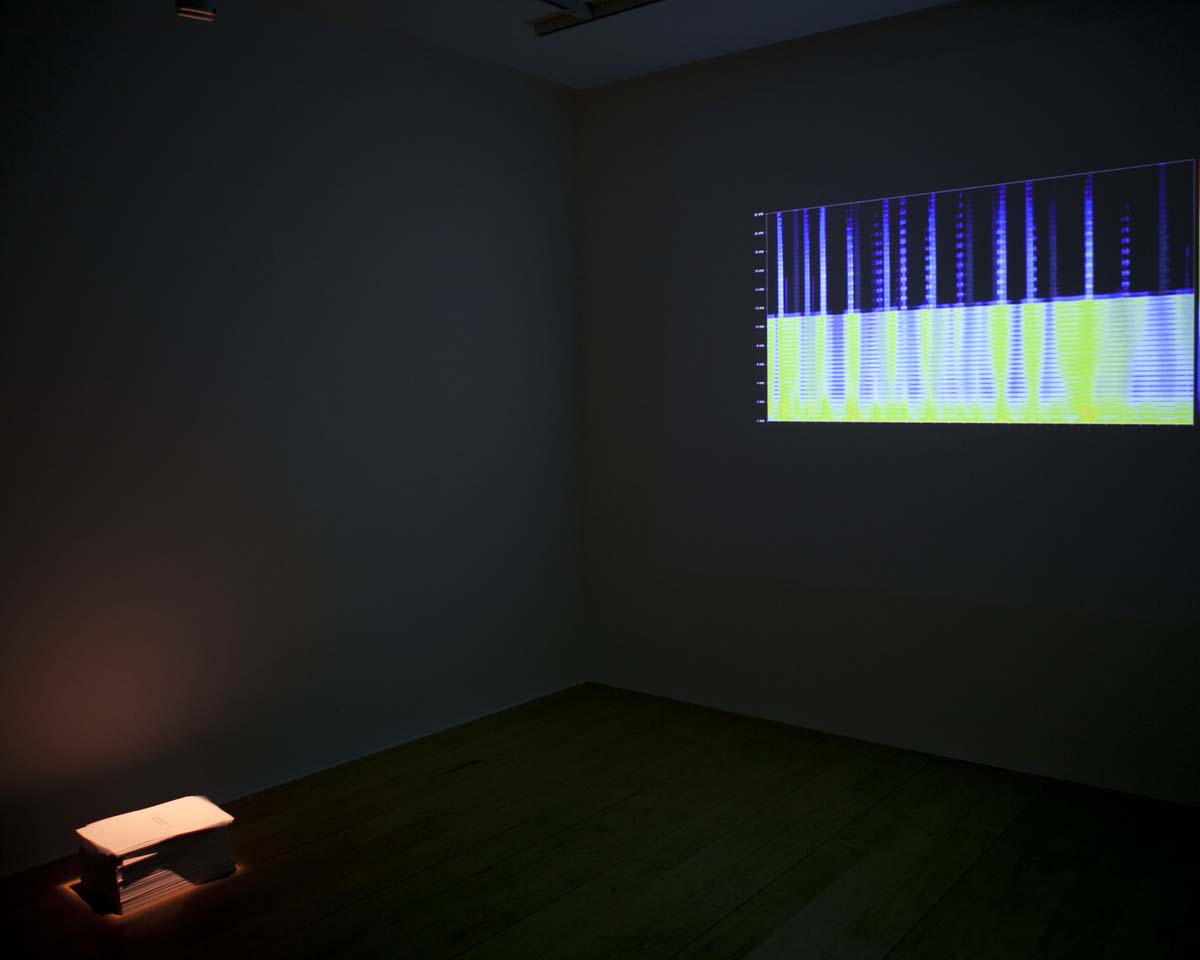
(installation photograph by Jamin Keogh)

(installation photograph by Jamin Keogh)
The image above of part of the installation titled The Normalisation of Deviance shows Spectrograms, a moving visual representation of the soundscape of the installation. The soundscape has been generated through the data generated through the use of an algorithm to identify how often the Irish Minister for Finance has used the word Market or Markets in his public speeches since taking office.
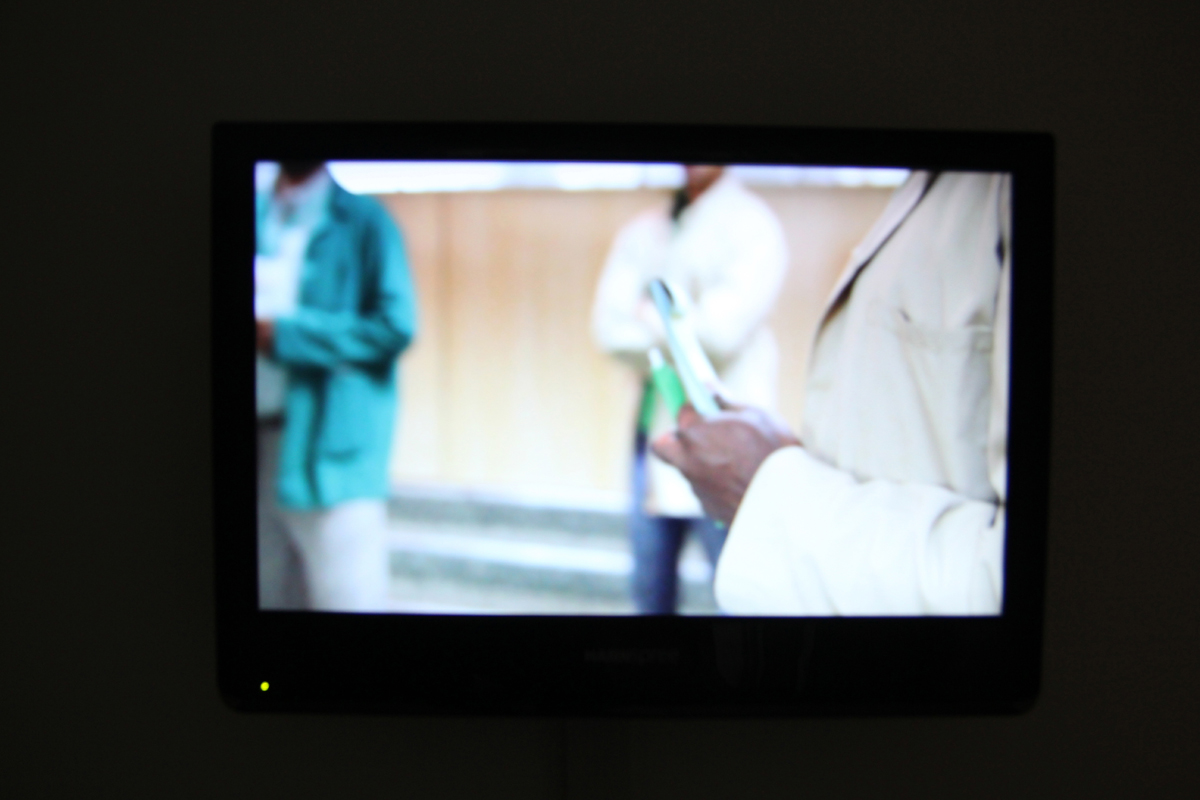
(installation photograph by Jamin Keogh)
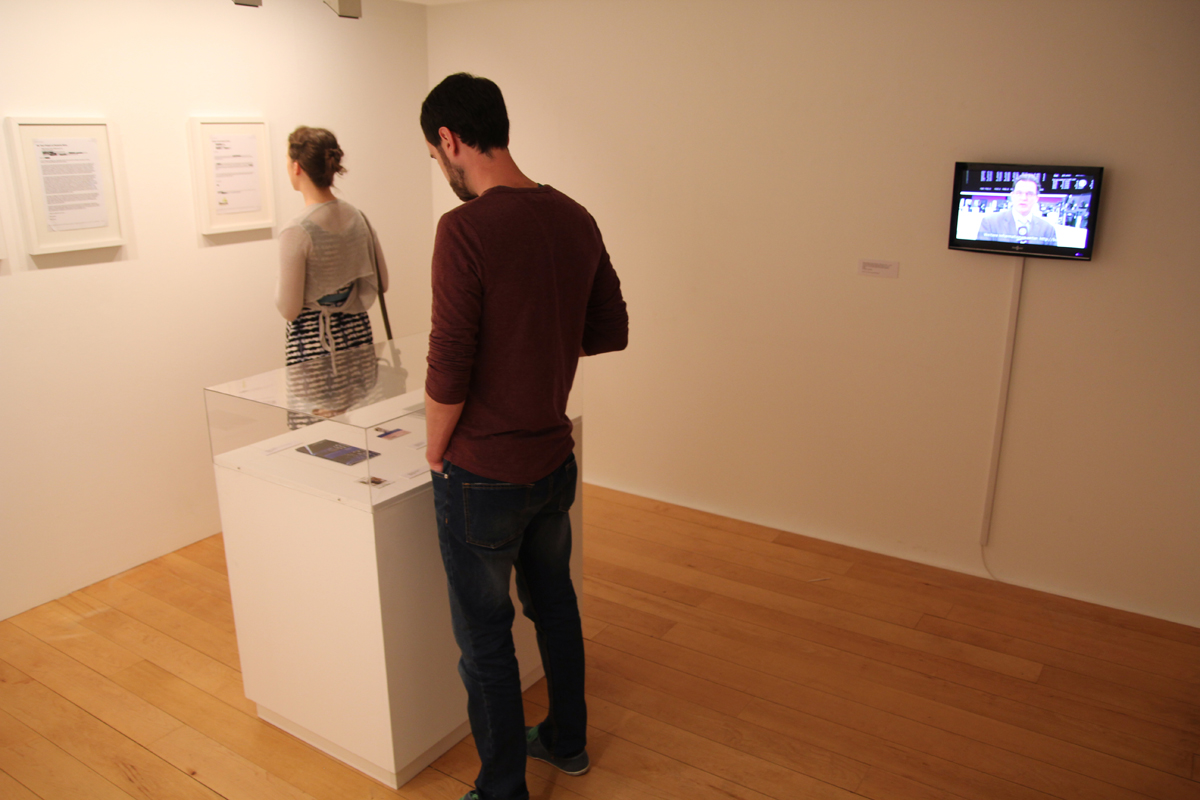
(installation photograph by Jamin Keogh)
(installation photograph by Jamin Keogh)
Belfast Exposed 29 August – 11 October
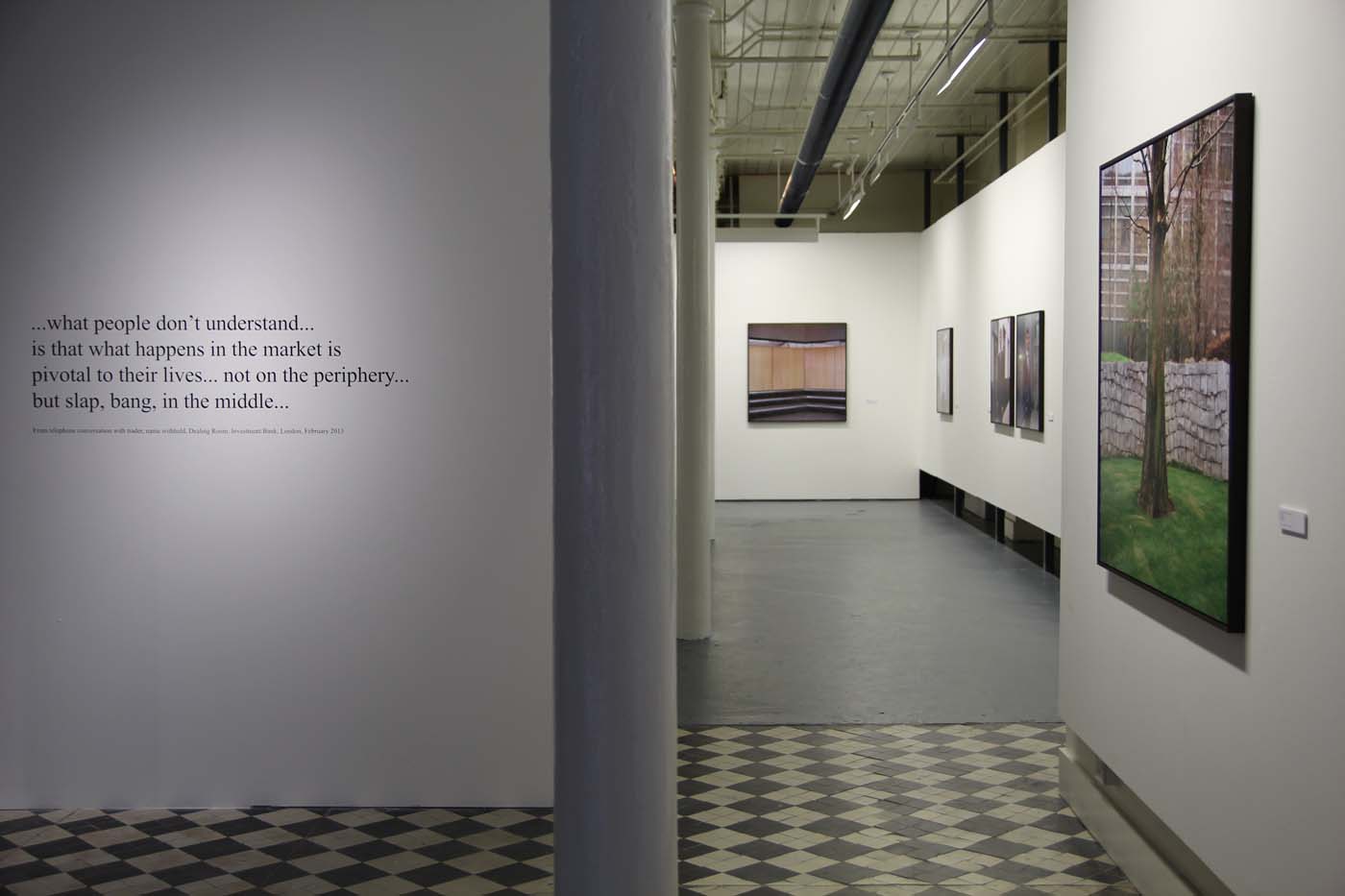
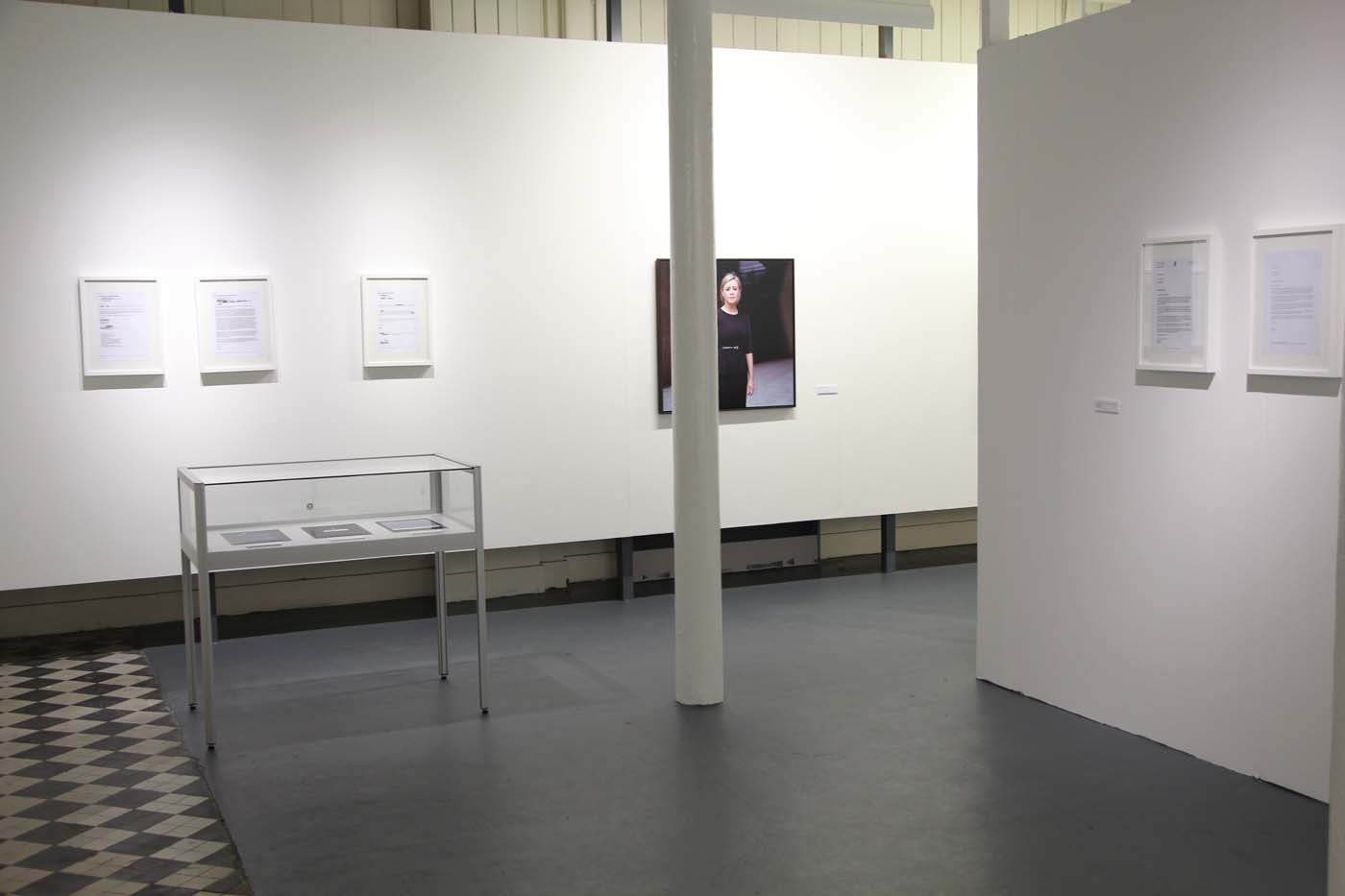
The installation is similarly framed by the soundscape generated through the data generated by an algorithm identifying the application of the words Market or Markets by the British Chancellor of the Exchequer in his public speeches since taking office.
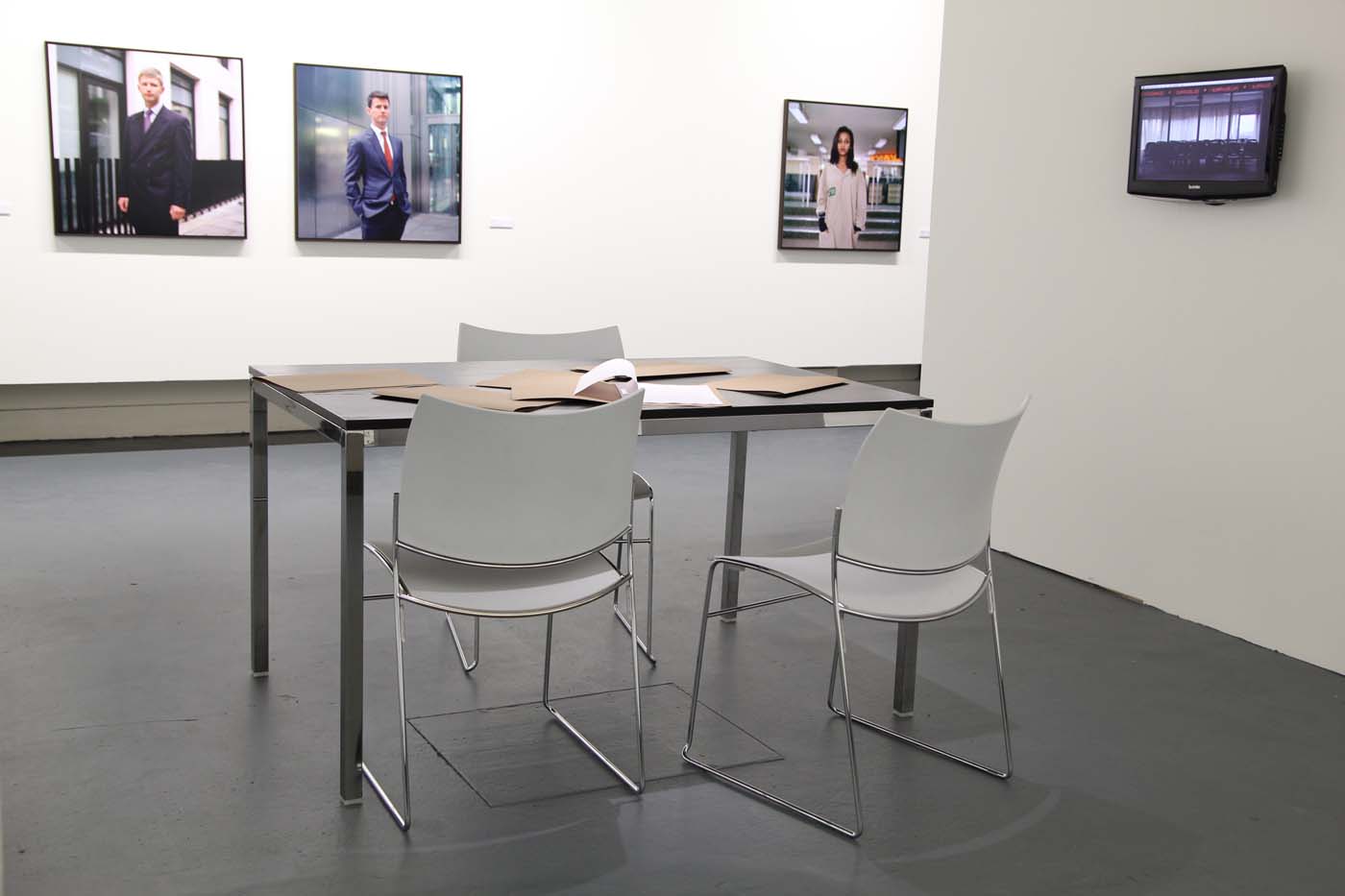

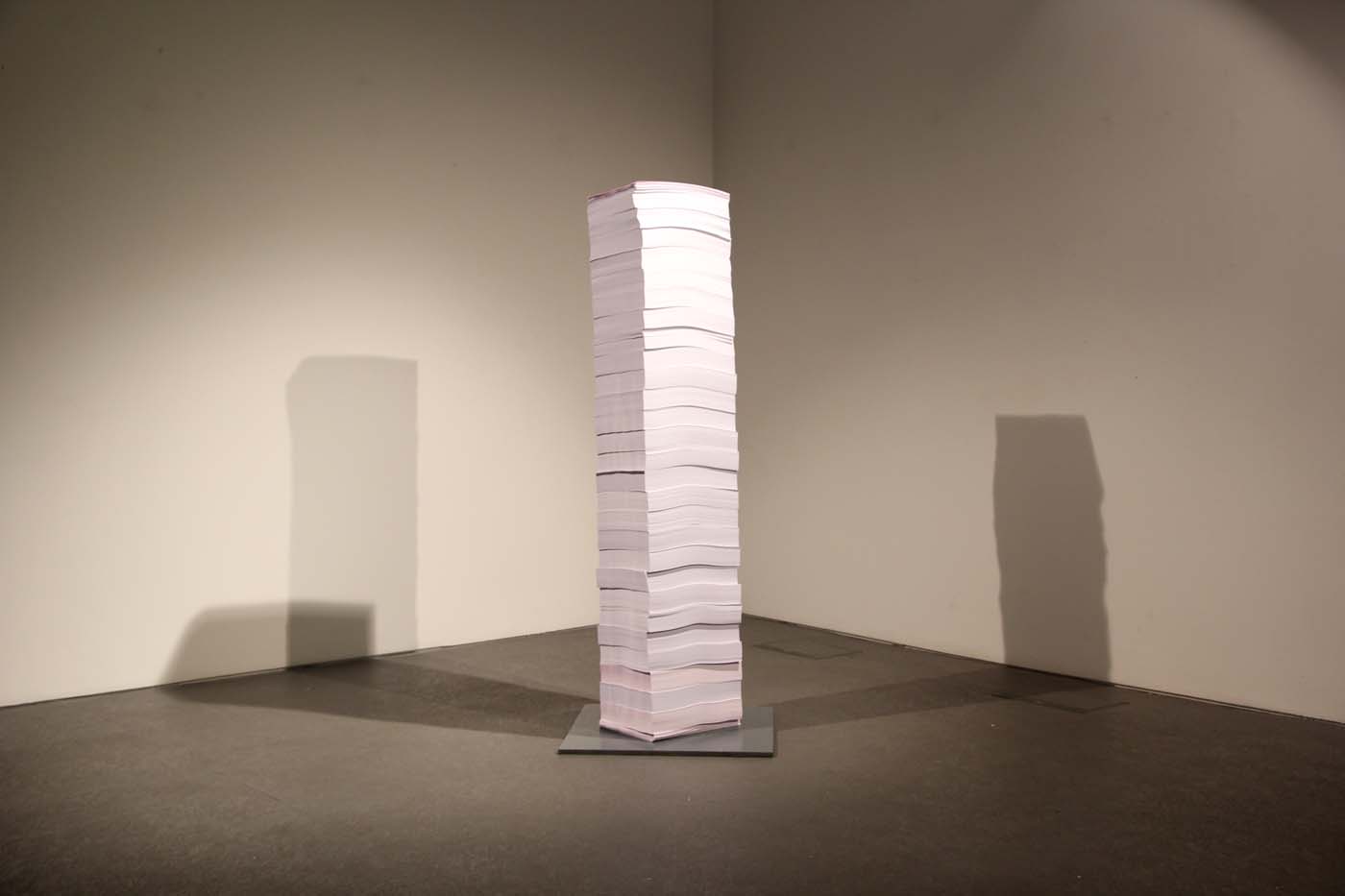
The installation image below shows the 6 feet high stack of A4 paper also titled The Normalisation of Deviance as part of the installation. This equates to the findings by a Chicago-based researcher of the number of global positions taken through the use of algorithms on one stock in one nanosecond. The total was 14,000 and equates to this amount of paper if this data was printed out. On the pages facing up is the quote:
…what people don’t understand… is that what happens in the market is pivotal to their lives… not on the periphery…but slap, bang, in the middle…
(From telephone conversation with trader, name withheld, Dealing Room, Investment Bank, London, February 2013
THE MARKET @ Gallery of Photography, Dublin
August 22, 2013 § Leave a comment
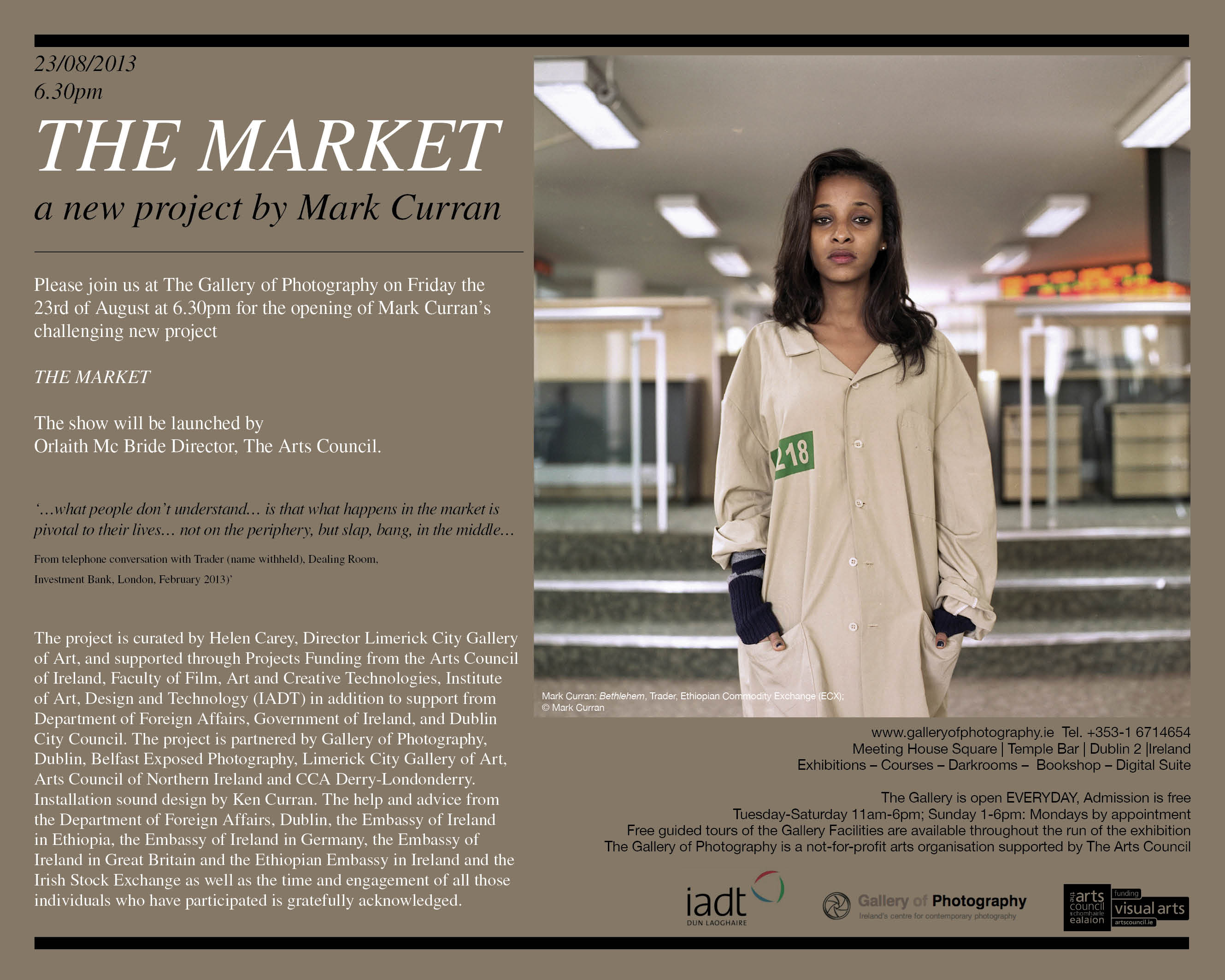
The installation of THE MARKET by Mark Curran, curated by Helen Carey, on the function and condition of the global stock and commodity markets will be opened this Friday, August 23rd at 6.30pm by Orlaith McBride, Director of the Arts Council of Ireland at the Gallery of Photography, Dublin.
The show continues until October 1st. (Algorithm and sound design by Ken Curran). Further information here.
UNCERTAIN STATE – Temple Bar Photography Summer School
June 25, 2013 § Leave a comment
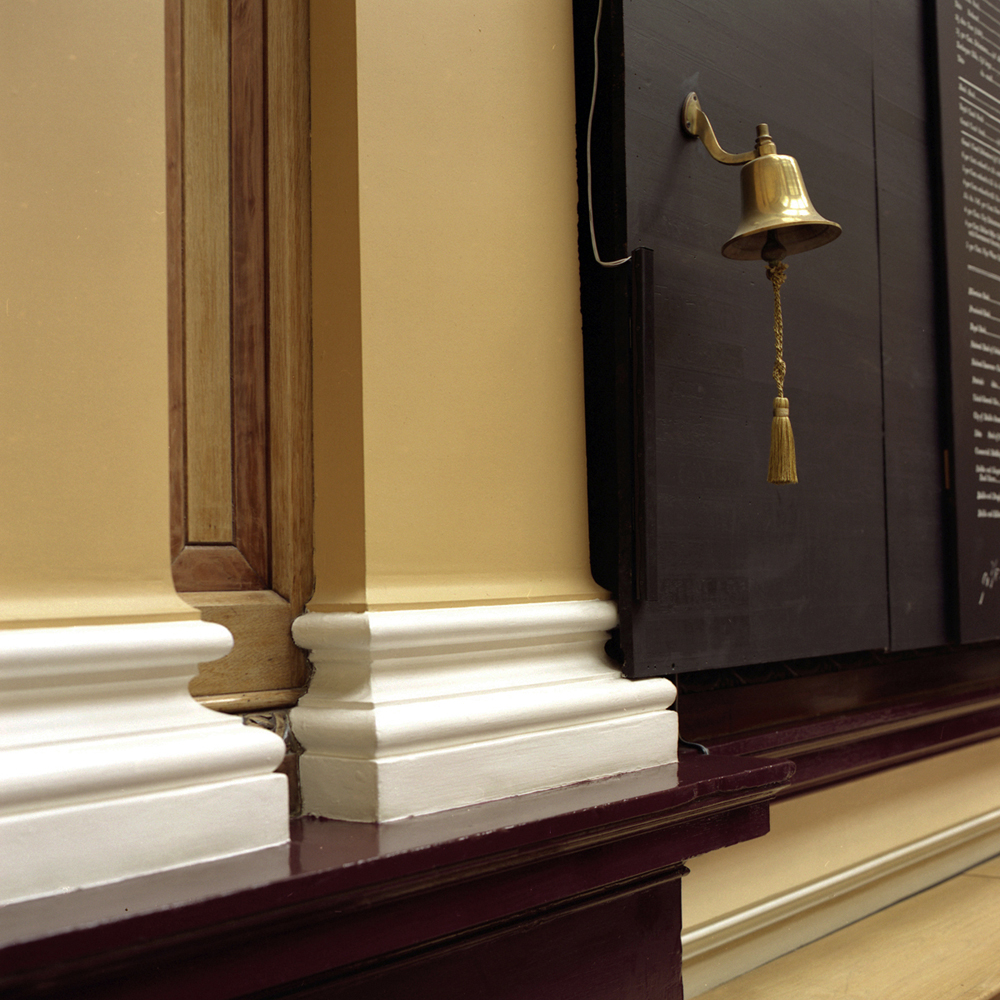
Bell, Decommissioned Trading Floor
Irish Stock Exchange (ISE)
July, 2012 Dublin, Ireland
from THE MARKET, a project by Mark Curran
The inaugural Temple Bar Photography Summer School takes place this Friday and Saturday, June 28 and 29 at Dublin’s Project Arts Centre. The two-day programme will explore how contemporary photographers are responding to this moment of uncertainty and instability in contemporary Ireland. The event further links in with the forthcoming group exhibition at the Gallery of Photography, titled Uncertain State. The accompanying text for the exhibition questions:
How is photography responding to the crisis? Uncertain State looks at how photographic artists are representing this period of austerity and uncertainty in Ireland. Their work addresses important issues at the heart of where we are now: contested and hidden histories, effects of the global financial crisis and the radically altered social and physical landscapes. The ten artists in Uncertain State go beyond surface readings to reflect the emerging concerns in post-Celtic Tiger Ireland: the treatment of asylum seekers; institutional abuse; sexual abuse; emigration; the legacy of the property crash; identity; disadvantage & marginalisation; and the legacy of conflict.
Such themes will be the subject this weekend and will include the following leading artists, academics, historians and writers:
Dr. Luke Gibbons (Academic and Writer, NUIM)
Val Connor (Curator, NWCI Legacy Project)
Helen Carey (Director,Limerick City Gallery)
Pat Cooke (Curator and Academic, UCD),
Mark Curran (Artist and academic,IADT),
Tommy Graham (Editor, History Ireland),
Michael Hinch (Editorial Imaging Manager,Independent Newspapers Ireland),
Colette O’Flaherty – Keeper of Archival Collections,
Liam Kennedy (Writer and academic, UCD),
David Farrell (Artist and academic, IADT),
Seán Hillen (Artist),
Paul Seawright (Artist and academic, UU),
Caoimhín Mac Giolla Léith (Writer and academic,UCD)
Declan Long (Writer and academic, NCAD)
Anthony Haughey (Artist and academic, DIT)#
Full details and how to book a place can be found here.
The Breathing Factory at FORMAT 2013, Derby, UK
March 5, 2013 § Leave a comment
I mean we can keep throwing tax breaks at them but that’s just…that will only go so far…it’s a fool’s economy or a false economy or fool’s paradise or whatever you want to call it…I think we need to be…more cost effective and I don’t think…at the moment we really are…what we have got is, as I said, is…a well-trained, educated, kind of workforce…so that’s in our favour, but, again time will tell whether that’s enough…I don’t see it attracting everybody…I think they’ll always come in for the tax break and that’s probably the main reason they’re here for now…so I’m really not sure where this is going to be in 10-15 years time…you could have a lot of well-educated people walking done to the dole office (unemployment office) and you know…but like, I don’t really know where it’s going…you know…
(Cleanroom Supervisor, Canteen, Hewlett-Packard Ireland, 28 November 2003)
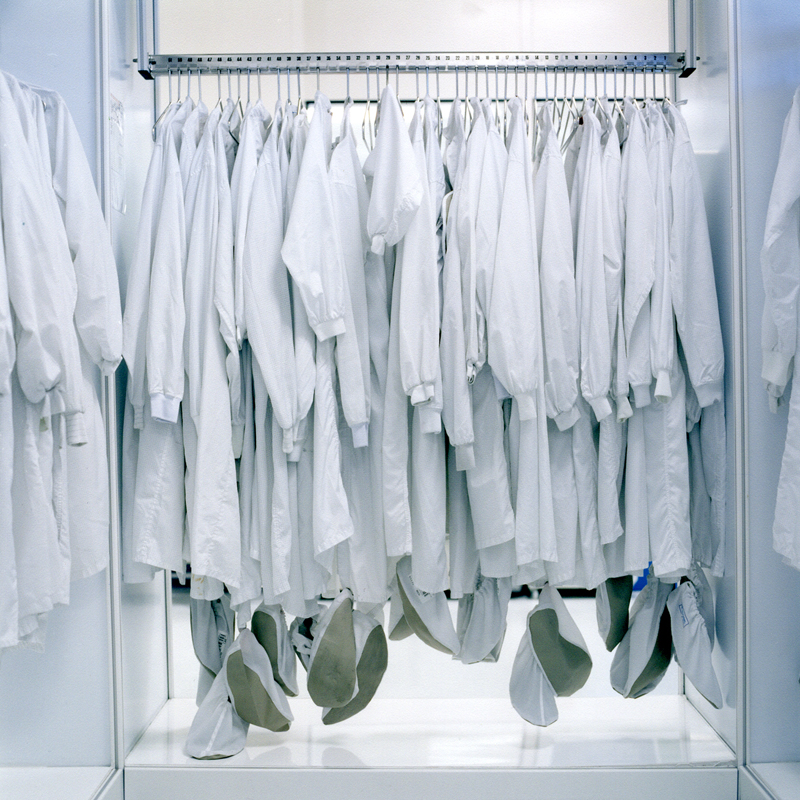
‘Untitled’, Gowning Room, Building 7 11.02 a.m., Monday, November 11th 2003’ (Leixlip, Ireland) 1m x 1cm Ultrachrome Archival Print, Nails, Bullclips
from the project The Breathing Factory (Edition Braus/Belfast Exposed/Gallery of Photography 2006) © Mark Curran
THE BREATHING FACTORY
A project by Mark Curran
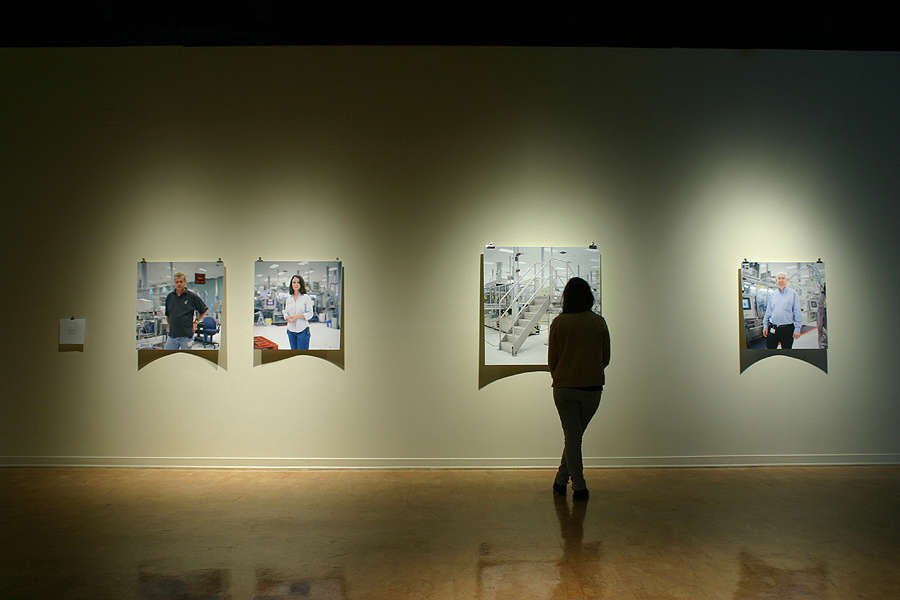
Installation of The Breathing Factory, DePaul Art Museum (DPAM), Chicago, 2010 (image by Dominic Fortunato)
Update: short video clip of the installation at FORMAT 13
Installation of The Breathing Factory, FORMAT13, Derby, UK from Mark Curran on Vimeo.
SOUTHERN CROSS (1999-2001)
November 2, 2012 § 5 Comments
As part of the project, SOUTHERN CROSS, the series, prospect critically surveyed the space of the International Financial Services Centre (IFSC). While historically, the Irish Republic was witness to other instruments of capital, this site was the first financial district in its history.
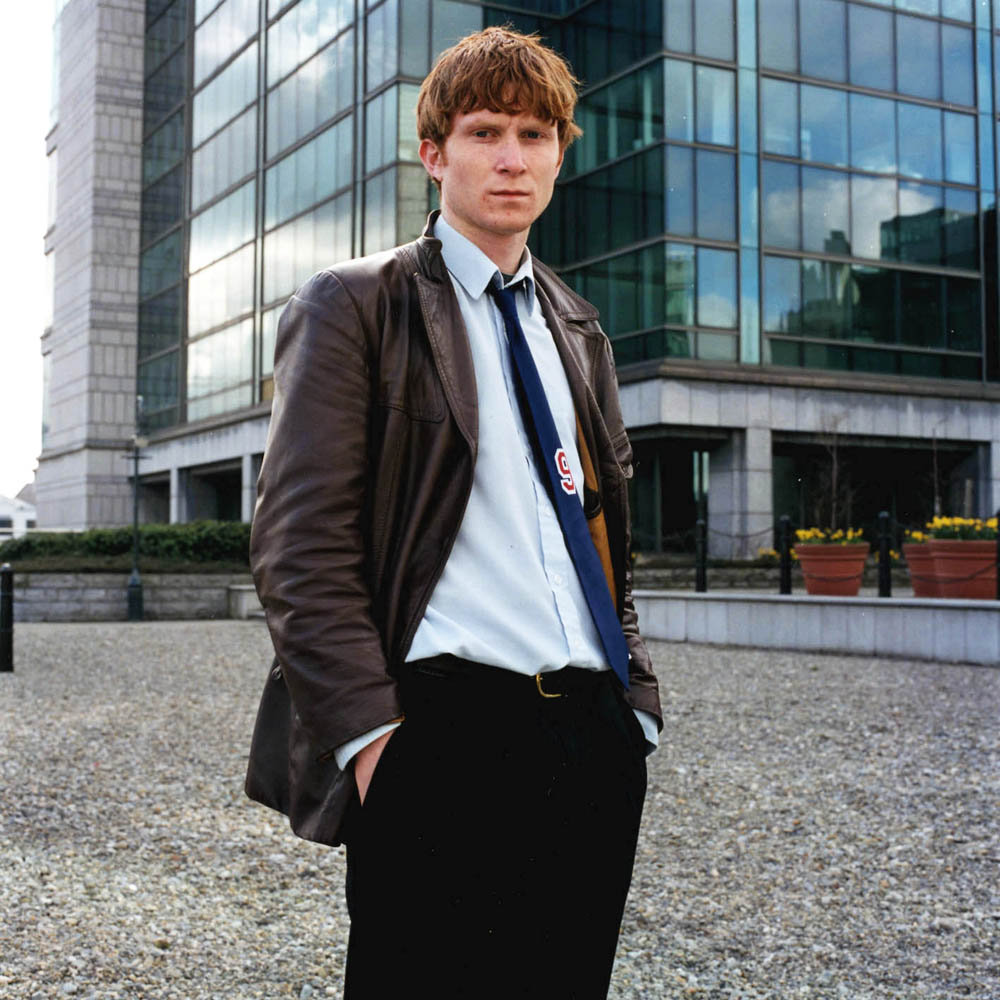
‘Stephen from Dublin’ (IFSC, Phase 1, Dublin 2001) from series, ‘prospect’
Established in 1987, the first phase of the IFSC opened on the north quays in Dublin’s inner city in 1989 with the second phase completed in 2000 – the European location for over half the world’s largest banks and insurance companies, and generating at its height, approximately 60% of the Republic’s wealth (IDA annual report 1999). This symbol of global aspiration and capital, the IFSC embodied ‘the Irish States monument to its position in a global economy’ (Carville 2002: 24) and was ‘driven by tax incentives, millions were spent to develop an international centre that would compare with The City in London or La Defense in Paris’ (MacDonald 2001: 14). The initial focus in its establishment was ‘jobs to market…[mostly] ‘back-office’ functions such as administration and processing; however, the goal [was] to establish higher value ‘front-office’ jobs…to ensure these companies stay here’ (Brennan 2004: 33).
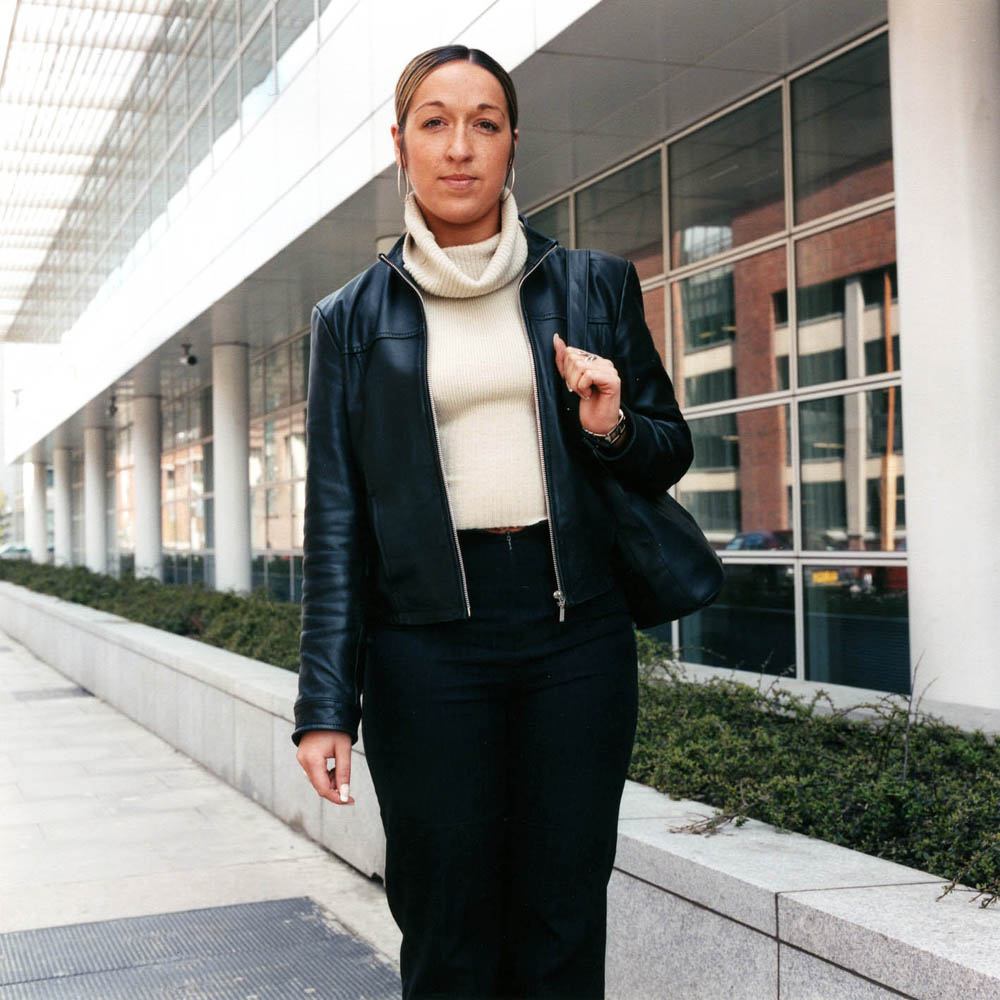
‘Anita from Dublin’ (IFSC, Phase 2, Dublin 2001) from the series, ‘prospect’
Prior to the onslaught of the ongoing global economic crisis, the precariousness of the Republic’s position in attracting and retaining global capital investment would be reflected early in the cover headline in 2004 of an Irish business publication, ‘The IFSC – Finance Temple or Future Ghost Town?’ (ibid.: 1). The position has only been deepened further with the present circumstance. In 2006, the lack of regulation in the financial sector in the Republic was critically highlighted with terms like ‘tax haven’, ‘offshore’ and ‘shadowy entity’ being applied, alongside the plight of the majority of the workers in this sector, whom in addition to facing mass lay-offs, it was revealed how, ‘contrary to popular perception…[many] domestic financial services and IFSC employees were never in the big leagues when it came to making money’ (Reddan 2010: 15).
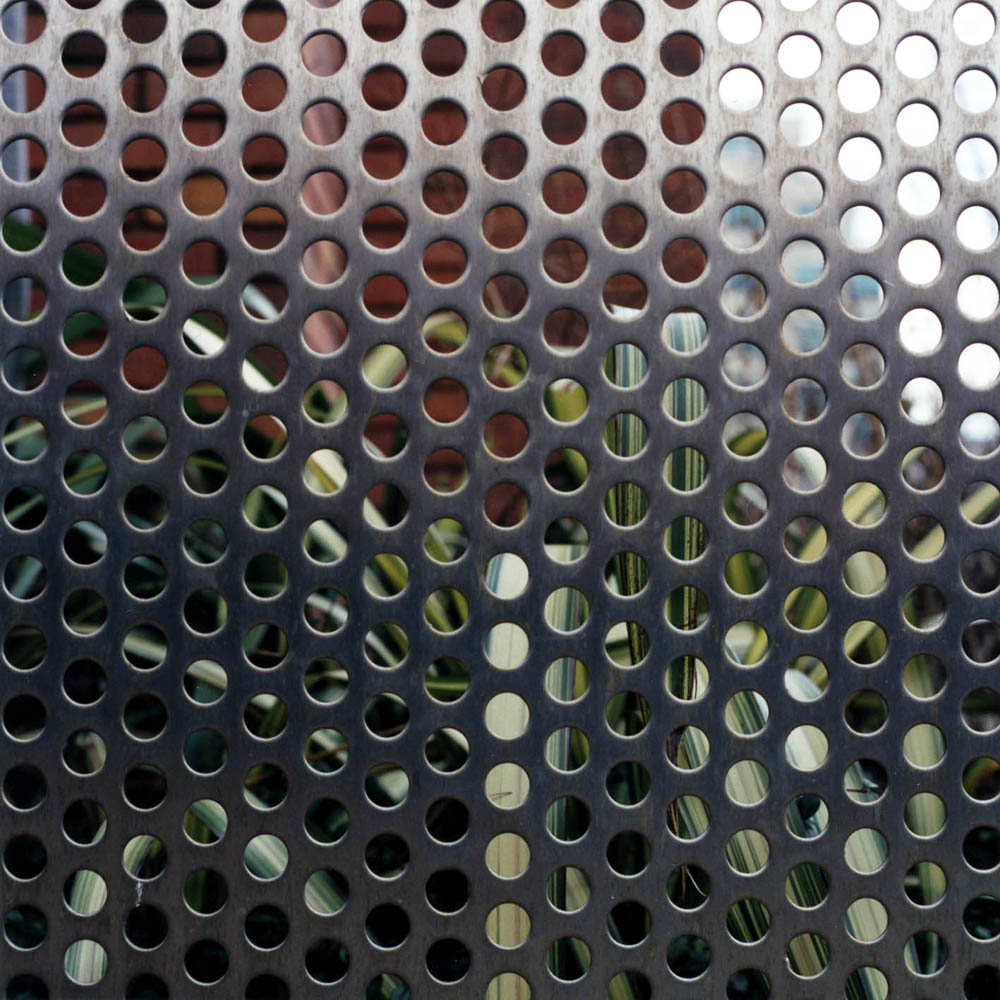
‘Financial Centre 4’ (IFSC, Phase 1, Dublin 2000) from the series, ‘prospect’
prospect surveyed the economic aspirations symbolised by the IFSC – a flagship of global capital and the architectural embodiment of the ‘new Ireland’ – and included images of the landscape and portraits of the young office workers, the new ‘physical labour’, inheriting the space from those who constructed it.
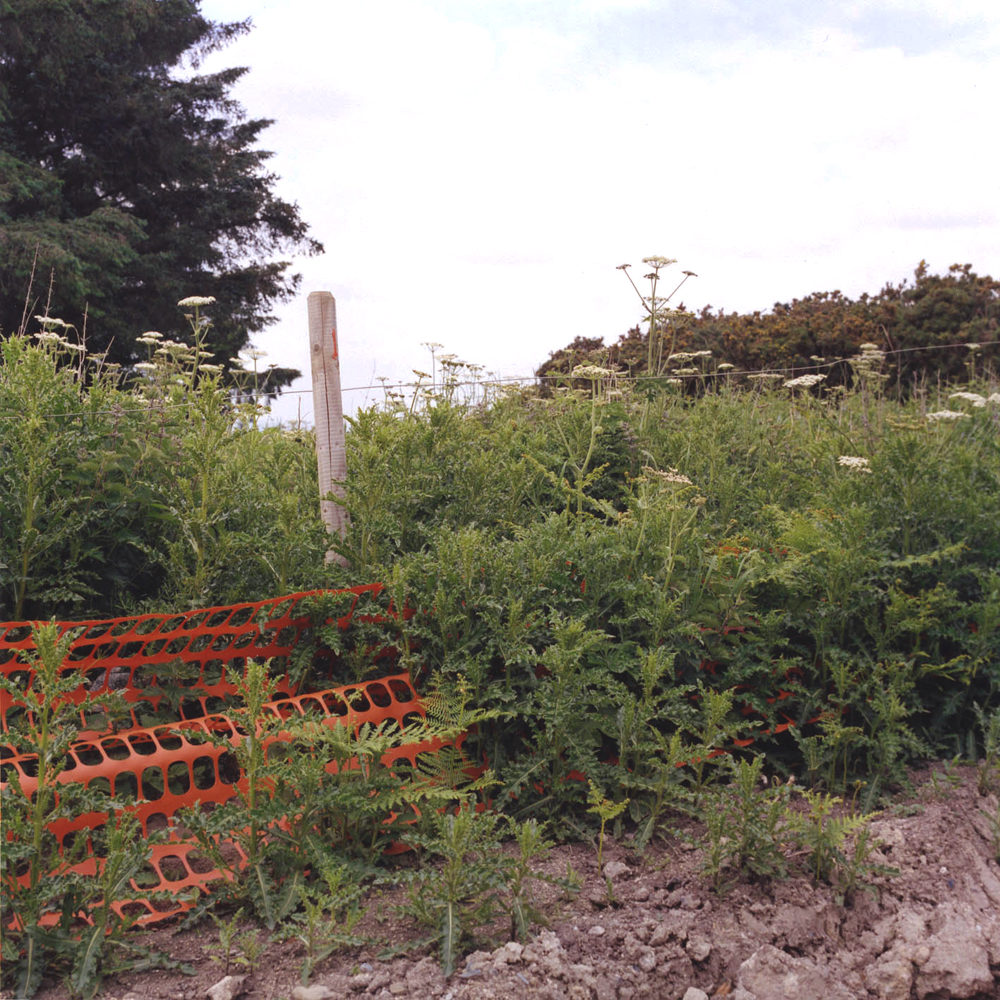
‘West of the City’ (M50, County Dublin, 2001) from the series ‘site’
The accompanying series from SOUTHERN CROSS was titled, site and explored the transitory spaces between ‘what was’ and ‘what will be’ – the construction sites – being the birthing grounds of the ‘new Ireland’. The images, allegorical references to the effect of the changing geography on society incorporated landscape images made in the Dublin and county region, intersecting with portraits of the workers, those charged with the responsibility of transforming the landscape in the hope of fulfilling the desires of the society around them.

‘Sean from County Kildare’ (Temple Bar, Dublin, 2000) from the series, ‘site’
In its entirety, SOUTHERN CROSS (Gallery of Photography/Cornerhouse Publications 2002) was a critical response to the rapid development witnessed in the Republic of Ireland at the turn of the new millenium. Foreign Direct Investment (FDI) brought about the largest economic transformation in the history of a country which never experienced the full impact of the Industrial Revolution. Completed between 1999-2001, the project critically mapped, through the spaces of development and finance, the economic aspirations and profound changes of a country on the western periphery of Europe. It presented the newly globalised labour and landscape, described then as the so-called Celtic Tiger Economy, being transformed in response to the predatory migration of global capital. In his essay, ‘Motionless Monotony: New Nowheres in Irish Photography’, addressing projects which charted the impact of the Celtic Tiger, including SOUTHERN CROSS, the writer and educator, Colin Graham observes in relation to the project:
‘evidence of the rasping, clawing deformation of the landscape, the visceral human individual in the midst of burgeoning idea of progress-as- building, propped up by finance-as-economics…it stands as an extraordinary warning of the future that was then yet to come (2012: 15).
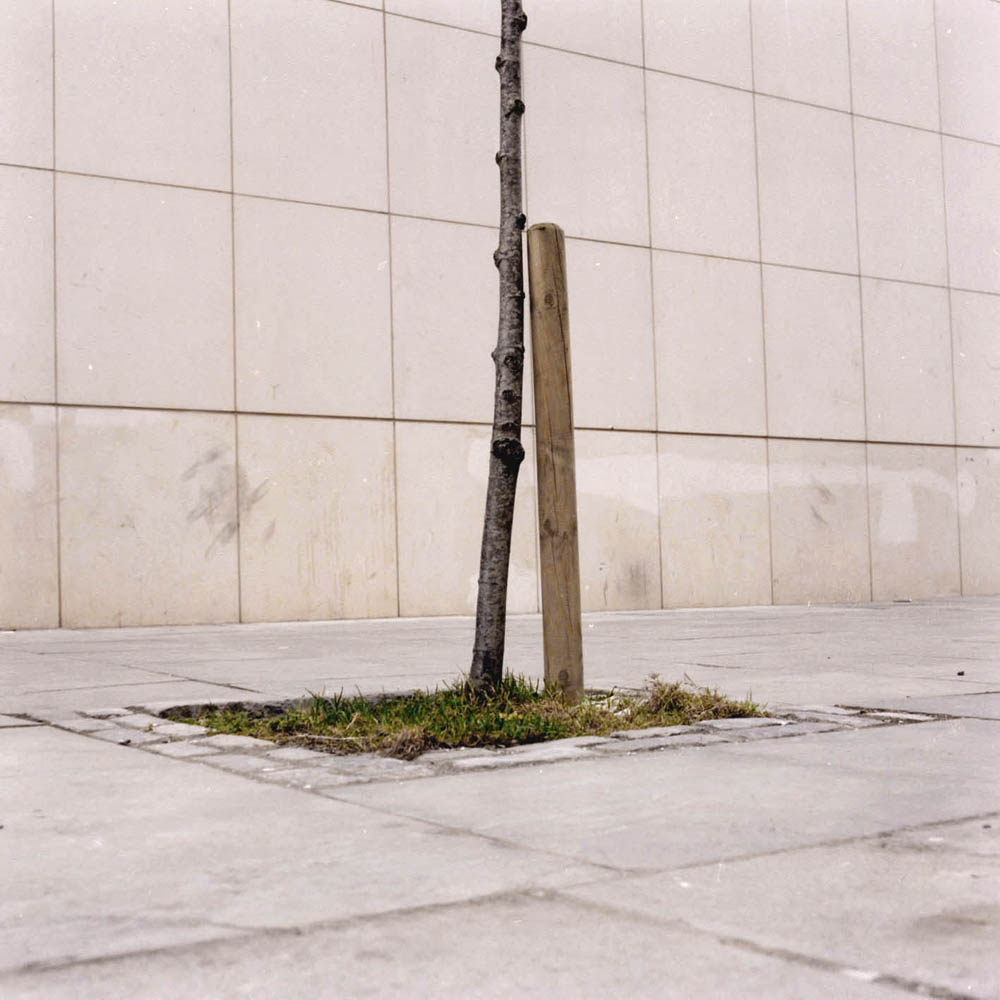
‘Financial Centre 5’ (IFSC, Phase 2, Dublin 2001) from the series, ‘prospect’
Commissioned by the Gallery of Photography, Dublin in 2000 as recipient of the inaugural Artist’s Award, the exhibition of the same name took place in 2002. It was accompanied by a publication with the support of the construction sector of the trade union, SIPTU, and included the essay titled, ‘Arrested Development’ by writer and educator, Justin Carville and poem, ‘Implications of a sketch’ by poet and writer, Philip Casey. Further presentations included Cologne, Germany (2003), Lyon, France (2004), Paris, France (2005) and Damascus, Syria (2005).
References cited:
Brennan, C. (2004) ‘Financial Centre of Gravity’, Business & Finance (vol.40, no.14) 15 July-11 August, 32-36.
Carville, J. (2002) ‘Arrested Development’ in Curran, M., Southern Cross, Dublin: Gallery of Photography.
Graham, C. (2012) ‘Motionless Monotony: New Nowheres in Irish Photography’, In/Print, Volume 1, 1-21
IDA Ireland (2000) Annual Report 1999, IDA, Dublin.
MacDonald, F. (2001) 7 February, ‘Capital Architecture’, The Irish Times, pp. 14.
Reddan, F. (2010) 4 April, ‘Behind The Façade’, The Irish Times, pp.15.
 THE MARKET