UNCERTAIN STATE – Temple Bar Photography Summer School
June 25, 2013 § Leave a comment
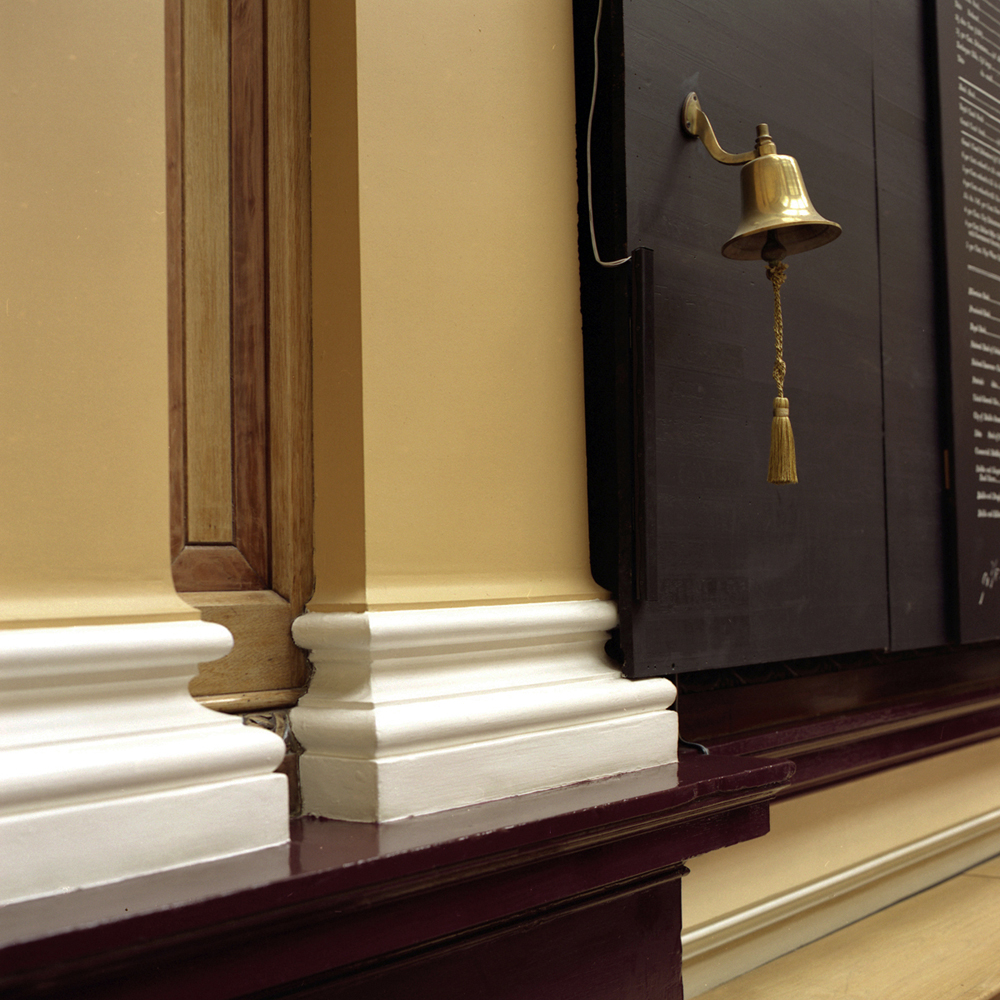
Bell, Decommissioned Trading Floor
Irish Stock Exchange (ISE)
July, 2012 Dublin, Ireland
from THE MARKET, a project by Mark Curran
The inaugural Temple Bar Photography Summer School takes place this Friday and Saturday, June 28 and 29 at Dublin’s Project Arts Centre. The two-day programme will explore how contemporary photographers are responding to this moment of uncertainty and instability in contemporary Ireland. The event further links in with the forthcoming group exhibition at the Gallery of Photography, titled Uncertain State. The accompanying text for the exhibition questions:
How is photography responding to the crisis? Uncertain State looks at how photographic artists are representing this period of austerity and uncertainty in Ireland. Their work addresses important issues at the heart of where we are now: contested and hidden histories, effects of the global financial crisis and the radically altered social and physical landscapes. The ten artists in Uncertain State go beyond surface readings to reflect the emerging concerns in post-Celtic Tiger Ireland: the treatment of asylum seekers; institutional abuse; sexual abuse; emigration; the legacy of the property crash; identity; disadvantage & marginalisation; and the legacy of conflict.
Such themes will be the subject this weekend and will include the following leading artists, academics, historians and writers:
Dr. Luke Gibbons (Academic and Writer, NUIM)
Val Connor (Curator, NWCI Legacy Project)
Helen Carey (Director,Limerick City Gallery)
Pat Cooke (Curator and Academic, UCD),
Mark Curran (Artist and academic,IADT),
Tommy Graham (Editor, History Ireland),
Michael Hinch (Editorial Imaging Manager,Independent Newspapers Ireland),
Colette O’Flaherty – Keeper of Archival Collections,
Liam Kennedy (Writer and academic, UCD),
David Farrell (Artist and academic, IADT),
Seán Hillen (Artist),
Paul Seawright (Artist and academic, UU),
Caoimhín Mac Giolla Léith (Writer and academic,UCD)
Declan Long (Writer and academic, NCAD)
Anthony Haughey (Artist and academic, DIT)#
Full details and how to book a place can be found here.
What is Marxism and Critical Theory? Irish Museum of Modern Art (IMMA) Dublin, Saturday, May 25th
May 22, 2013 § Leave a comment
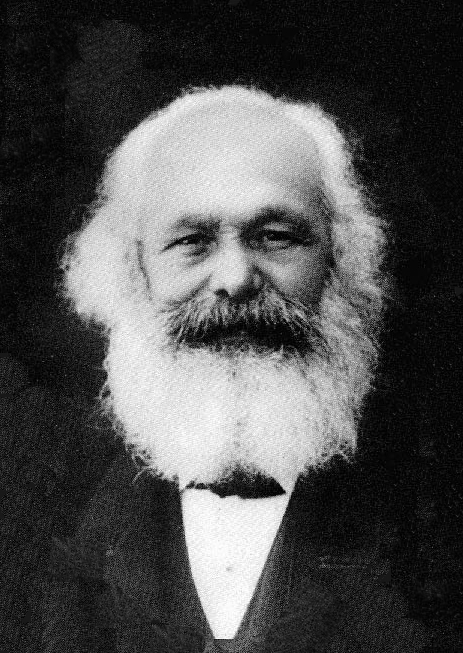
Karl Marx, 1882
What is Marxism and Critical Theory?
Lecture Room, Irish Museum of Modern Art (IMMA) Off-Site at NCH,
Saturday, May 25
Talk: 12:00noon – 1:00pm | What is Marxism and Critical Theory? An Introduction to Marxism and Critical Theory, presented by Declan Long and Francis Halsall, Lecturers, MA Art in the Contemporary World, NCAD.
Panel Discussion: 1.00pm – 2.00pm | Panelists include: Mark Curran (artist and educator), John Molyneux (socialist and activist blogger on Marxist theory and art), Declan Long and Francis Halsall, (Lecturers ACW, NCAD). This panel discussion considers the renewed interest in Marxist theory and its manifestations and relevance for contemporary art theory and practice. This discussion will draw on some of the central ideas addressed in the Intelligence Squared debate, Karl Marx was Right to be screened afterwards. To engage with the content of discussion we advise attendees to view this debate in advance. Please see details below.
Screening: 2.00pm – 3:45pm | Karl Marx was Right
A debate from Intelligence Squared titled Karl Marx was Right, broadcast on Tuesday 9 April 2013 can be viewed below
Booking is essential. Free tickets are available here.
MODERN TIMES Screening & Talk – Limerick City Gallery of Art (LCGA)
March 9, 2013 § Leave a comment
Unemployment is the vital question … Machinery should benefit mankind. It should not spell tragedy and throw it out of work.
(Charlie Chaplin) 1931.
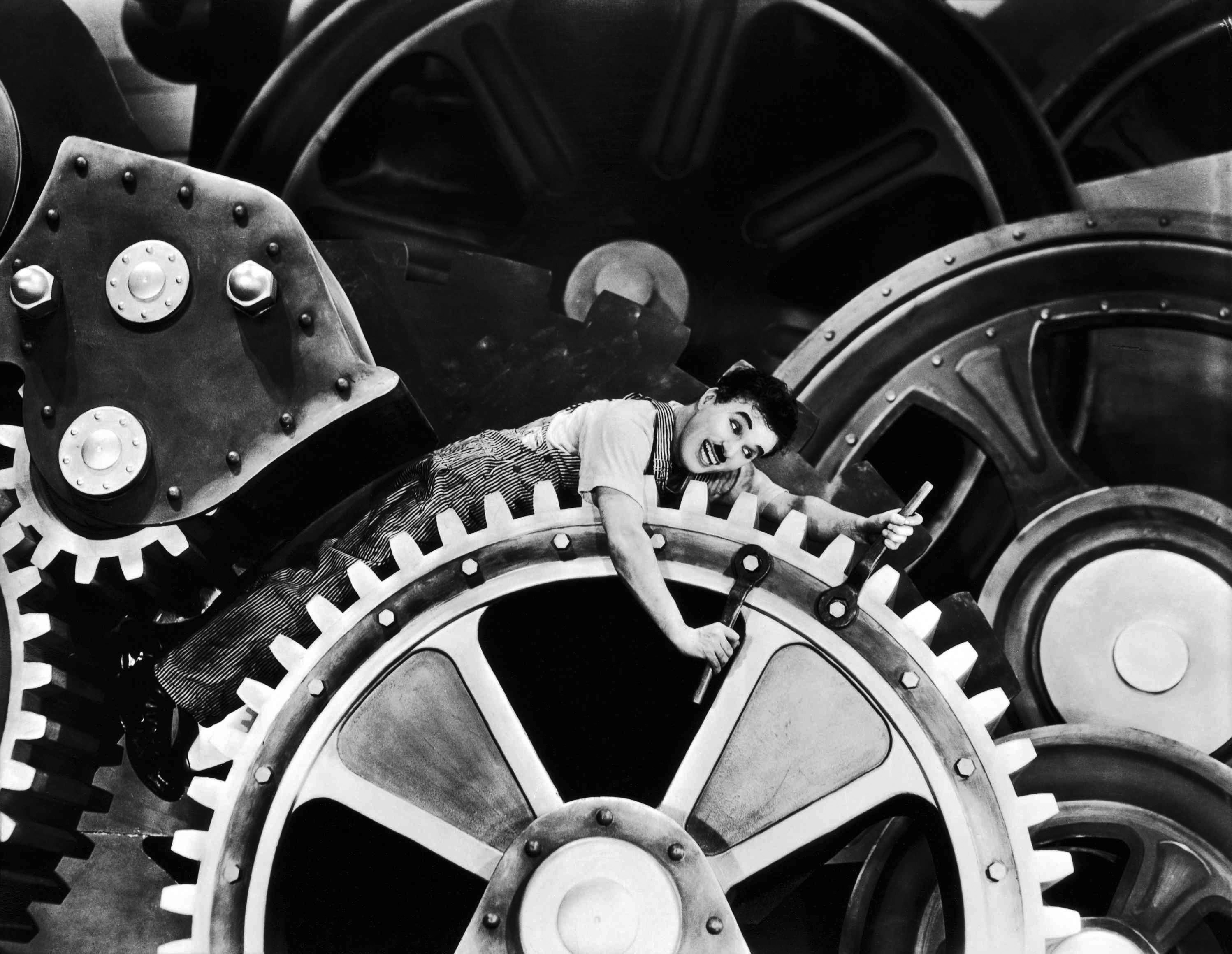
still from Modern Times (1936) by Charlie Chaplin
As part of the programme of the current exhibition, STRIKE!, at the Limerick City Gallery of Art, there will be a screening of MODERN TIMES (1936), written, scored and directed by Charlie Chaplin, at 2.00Pm on Monday, March 11th, 2013. This will be followed by a discussion from Mark Curran with specific reference to the visual representation of the conditions of labour and the resonance of Chaplin’s undertaking for the present.
Further information regarding the exhibition and full details of this event, can be found here.
Sonntag presents THE MARKET (a progress report)
January 17, 2013 § 4 Comments
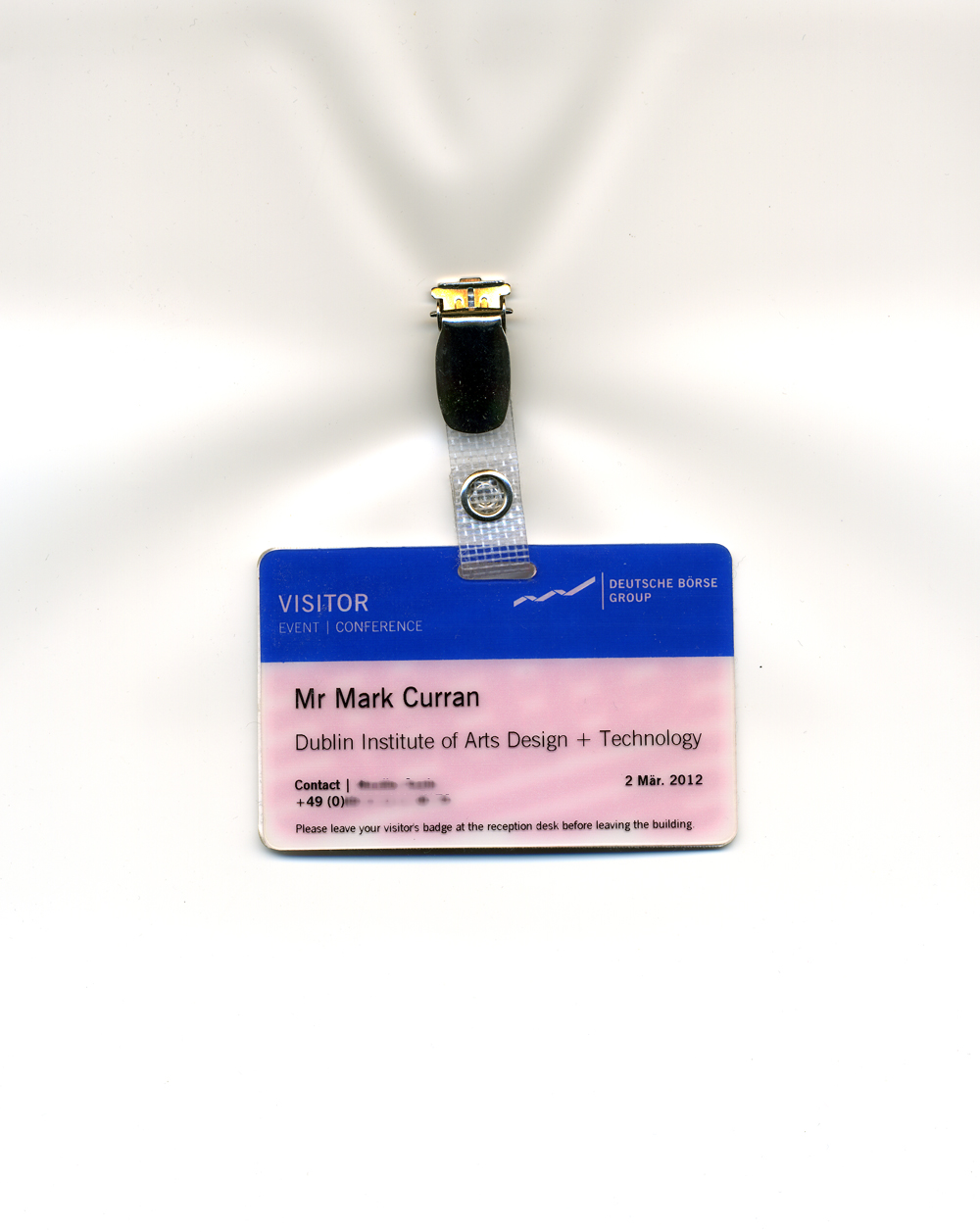
Void Visitors Pass, Deutsche Börse AG, Eschborn, Germany, March 2012
Sonntag would like to invite you to the installation of
THE MARKET (a progress report)*
by Mark Curran
Sunday
20 January
2 – 6pm
Exhibition dates
20 January – 23 January
Gossowstrasse 10, 4. floor
(Bell – Schiesser)
10777 Berlin
U1, U2, U3 Nollendorfplatz
U4 Viktoria – Luise Platz
Sonntag is a social sculpture that invites artists to collaborate and share their work in a domestic space. The project is realized on a monthly basis by way of a public invitation to a Sunday matinee where the invited artist‘s favorite cake and coffee/tea is shared with the audience.
This project was started in September 2012 by Adrian Schiesser and April Gertler.
*The event will feature work in progress from the project, THE MARKET.
Update images of the event can now be found here.
SOUTHERN CROSS (1999-2001)
November 2, 2012 § 5 Comments
As part of the project, SOUTHERN CROSS, the series, prospect critically surveyed the space of the International Financial Services Centre (IFSC). While historically, the Irish Republic was witness to other instruments of capital, this site was the first financial district in its history.
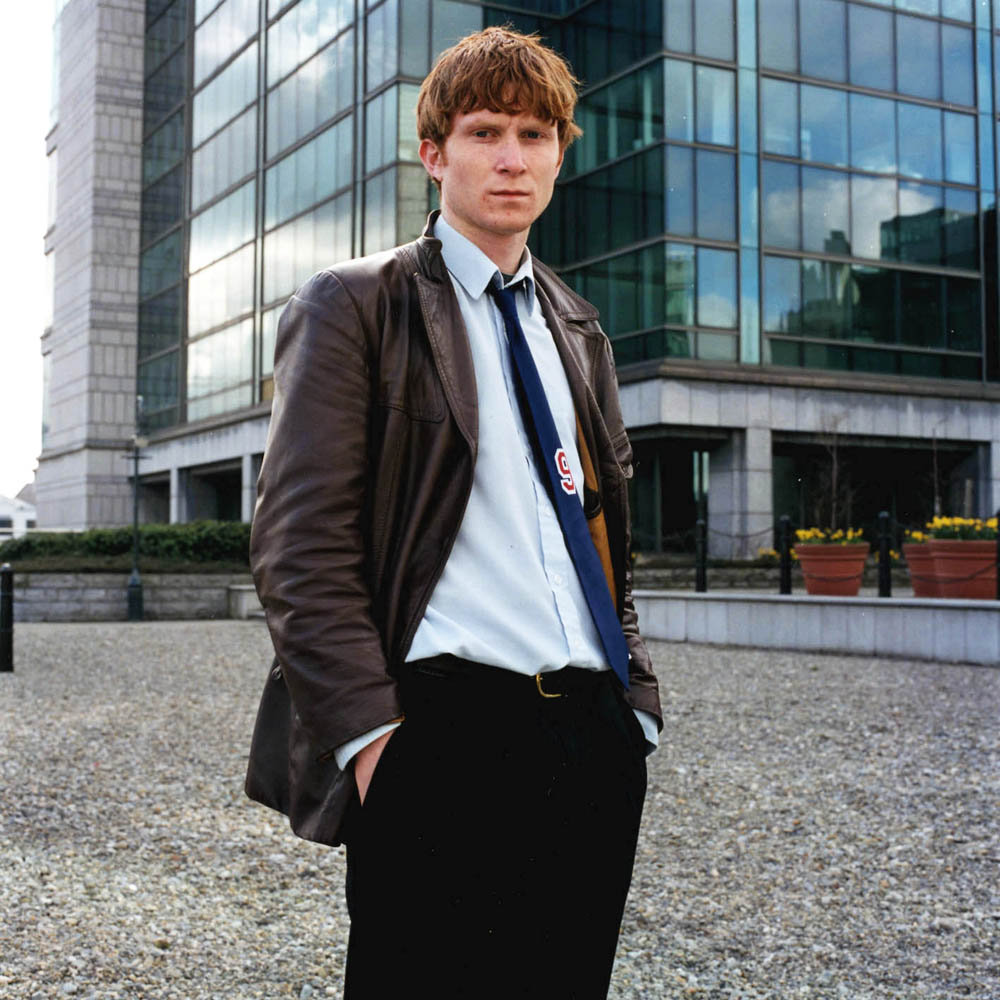
‘Stephen from Dublin’ (IFSC, Phase 1, Dublin 2001) from series, ‘prospect’
Established in 1987, the first phase of the IFSC opened on the north quays in Dublin’s inner city in 1989 with the second phase completed in 2000 – the European location for over half the world’s largest banks and insurance companies, and generating at its height, approximately 60% of the Republic’s wealth (IDA annual report 1999). This symbol of global aspiration and capital, the IFSC embodied ‘the Irish States monument to its position in a global economy’ (Carville 2002: 24) and was ‘driven by tax incentives, millions were spent to develop an international centre that would compare with The City in London or La Defense in Paris’ (MacDonald 2001: 14). The initial focus in its establishment was ‘jobs to market…[mostly] ‘back-office’ functions such as administration and processing; however, the goal [was] to establish higher value ‘front-office’ jobs…to ensure these companies stay here’ (Brennan 2004: 33).
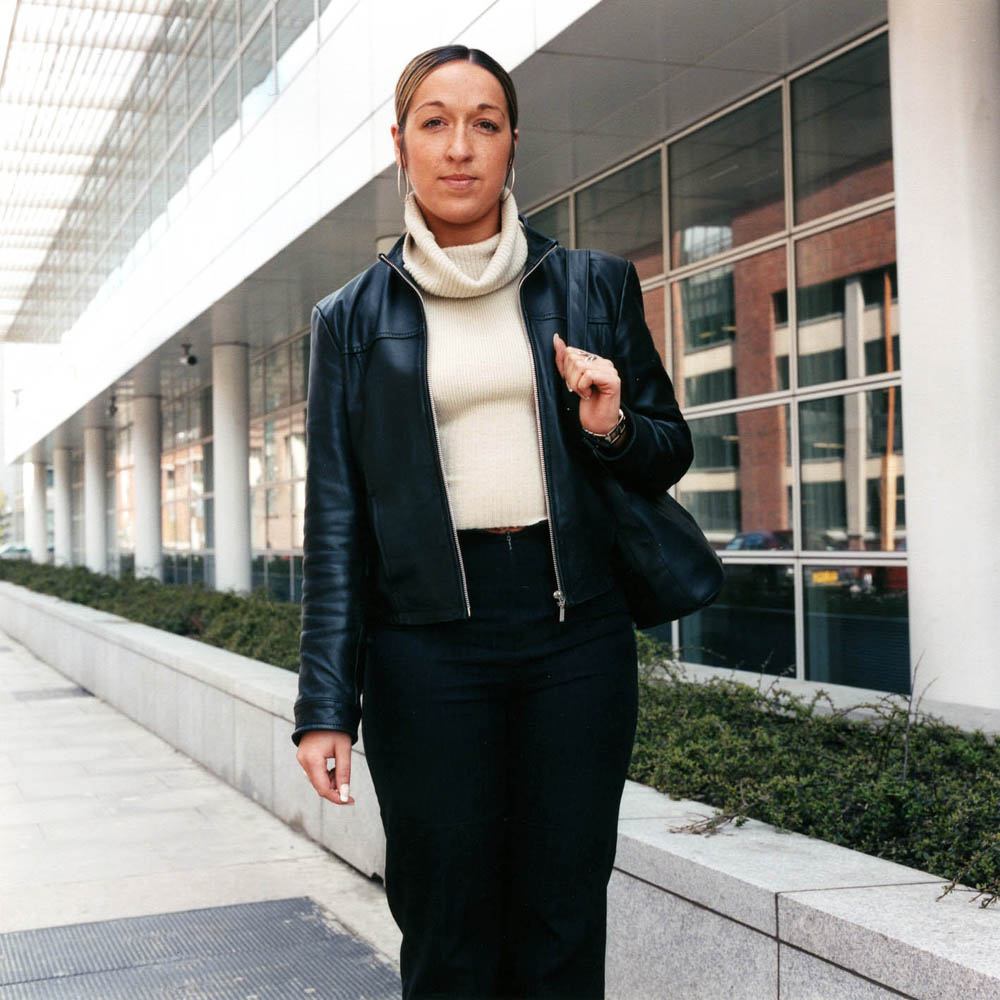
‘Anita from Dublin’ (IFSC, Phase 2, Dublin 2001) from the series, ‘prospect’
Prior to the onslaught of the ongoing global economic crisis, the precariousness of the Republic’s position in attracting and retaining global capital investment would be reflected early in the cover headline in 2004 of an Irish business publication, ‘The IFSC – Finance Temple or Future Ghost Town?’ (ibid.: 1). The position has only been deepened further with the present circumstance. In 2006, the lack of regulation in the financial sector in the Republic was critically highlighted with terms like ‘tax haven’, ‘offshore’ and ‘shadowy entity’ being applied, alongside the plight of the majority of the workers in this sector, whom in addition to facing mass lay-offs, it was revealed how, ‘contrary to popular perception…[many] domestic financial services and IFSC employees were never in the big leagues when it came to making money’ (Reddan 2010: 15).
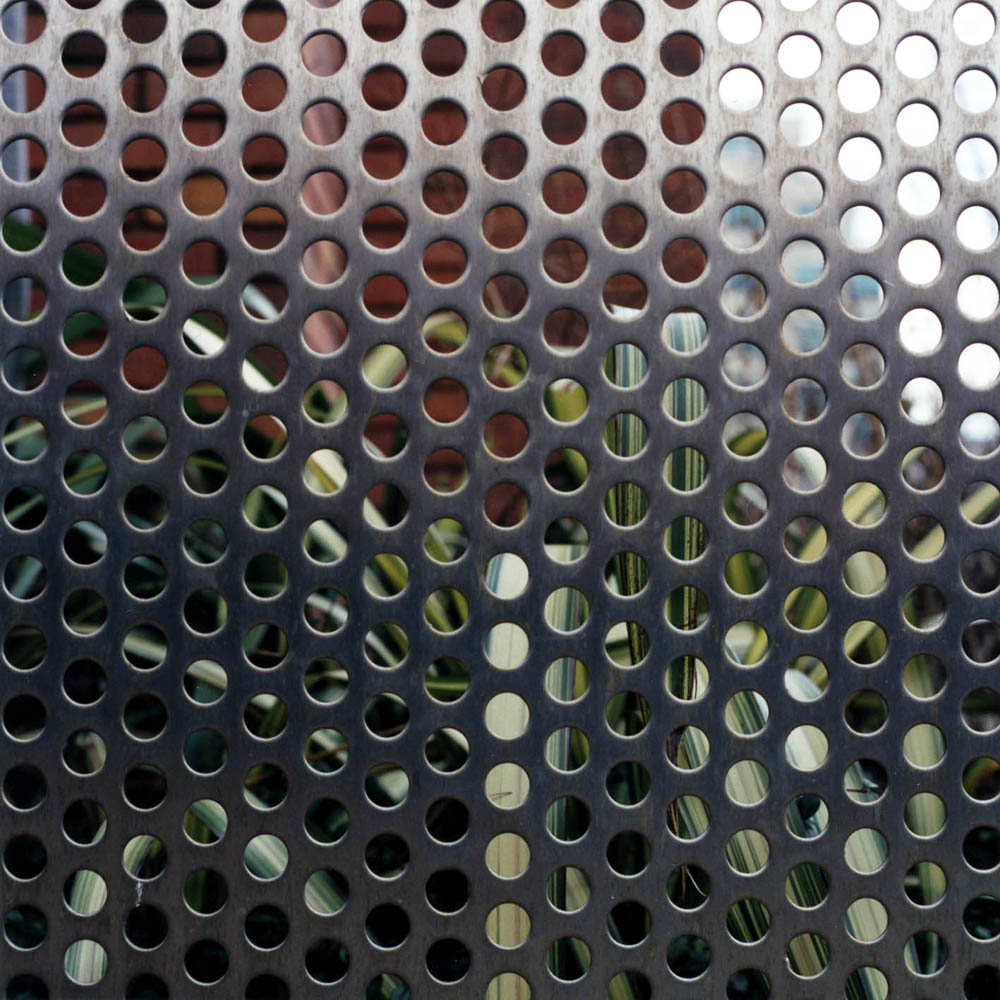
‘Financial Centre 4’ (IFSC, Phase 1, Dublin 2000) from the series, ‘prospect’
prospect surveyed the economic aspirations symbolised by the IFSC – a flagship of global capital and the architectural embodiment of the ‘new Ireland’ – and included images of the landscape and portraits of the young office workers, the new ‘physical labour’, inheriting the space from those who constructed it.
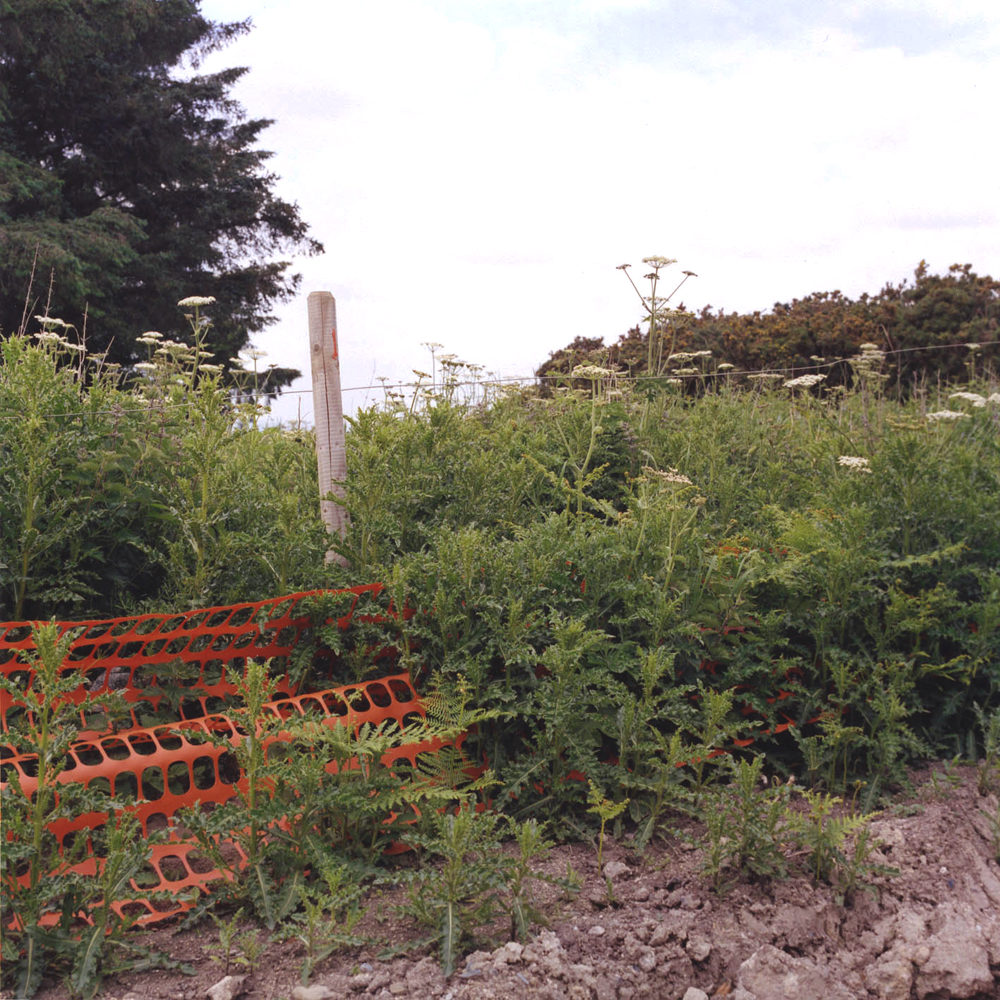
‘West of the City’ (M50, County Dublin, 2001) from the series ‘site’
The accompanying series from SOUTHERN CROSS was titled, site and explored the transitory spaces between ‘what was’ and ‘what will be’ – the construction sites – being the birthing grounds of the ‘new Ireland’. The images, allegorical references to the effect of the changing geography on society incorporated landscape images made in the Dublin and county region, intersecting with portraits of the workers, those charged with the responsibility of transforming the landscape in the hope of fulfilling the desires of the society around them.

‘Sean from County Kildare’ (Temple Bar, Dublin, 2000) from the series, ‘site’
In its entirety, SOUTHERN CROSS (Gallery of Photography/Cornerhouse Publications 2002) was a critical response to the rapid development witnessed in the Republic of Ireland at the turn of the new millenium. Foreign Direct Investment (FDI) brought about the largest economic transformation in the history of a country which never experienced the full impact of the Industrial Revolution. Completed between 1999-2001, the project critically mapped, through the spaces of development and finance, the economic aspirations and profound changes of a country on the western periphery of Europe. It presented the newly globalised labour and landscape, described then as the so-called Celtic Tiger Economy, being transformed in response to the predatory migration of global capital. In his essay, ‘Motionless Monotony: New Nowheres in Irish Photography’, addressing projects which charted the impact of the Celtic Tiger, including SOUTHERN CROSS, the writer and educator, Colin Graham observes in relation to the project:
‘evidence of the rasping, clawing deformation of the landscape, the visceral human individual in the midst of burgeoning idea of progress-as- building, propped up by finance-as-economics…it stands as an extraordinary warning of the future that was then yet to come (2012: 15).
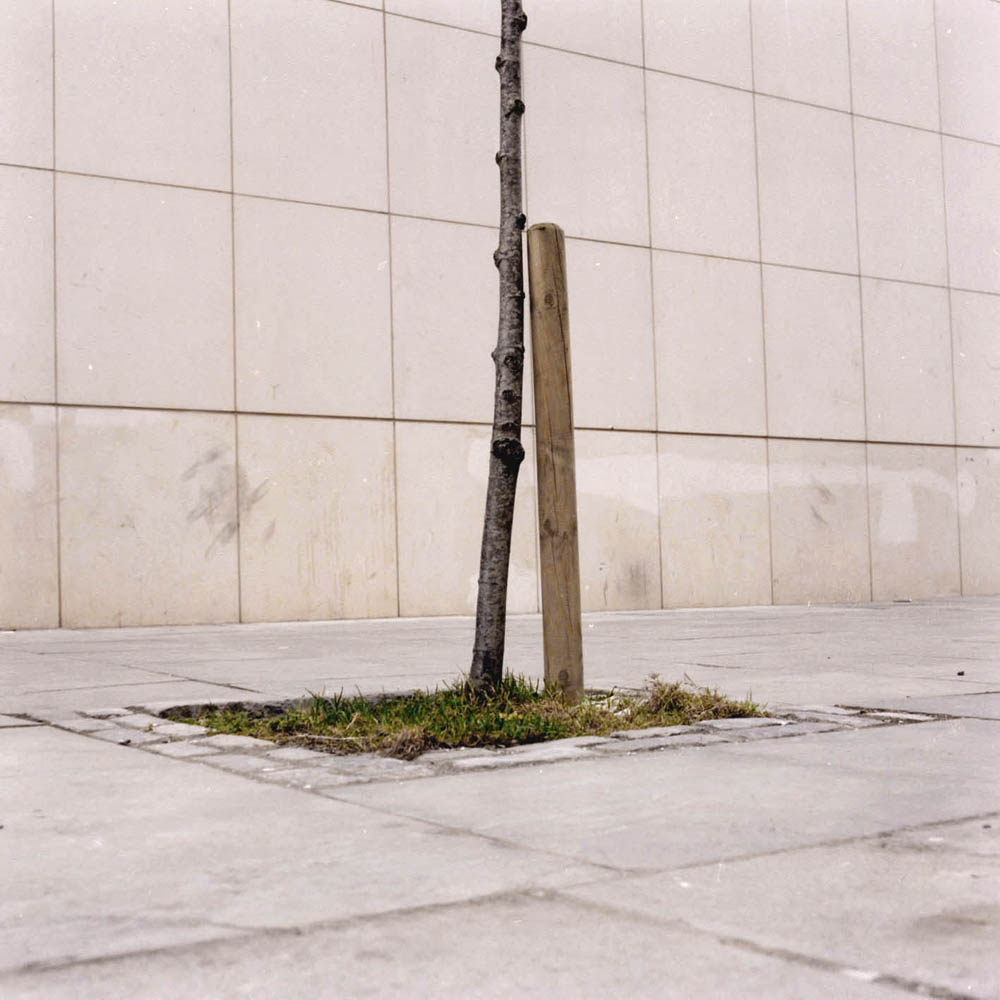
‘Financial Centre 5’ (IFSC, Phase 2, Dublin 2001) from the series, ‘prospect’
Commissioned by the Gallery of Photography, Dublin in 2000 as recipient of the inaugural Artist’s Award, the exhibition of the same name took place in 2002. It was accompanied by a publication with the support of the construction sector of the trade union, SIPTU, and included the essay titled, ‘Arrested Development’ by writer and educator, Justin Carville and poem, ‘Implications of a sketch’ by poet and writer, Philip Casey. Further presentations included Cologne, Germany (2003), Lyon, France (2004), Paris, France (2005) and Damascus, Syria (2005).
References cited:
Brennan, C. (2004) ‘Financial Centre of Gravity’, Business & Finance (vol.40, no.14) 15 July-11 August, 32-36.
Carville, J. (2002) ‘Arrested Development’ in Curran, M., Southern Cross, Dublin: Gallery of Photography.
Graham, C. (2012) ‘Motionless Monotony: New Nowheres in Irish Photography’, In/Print, Volume 1, 1-21
IDA Ireland (2000) Annual Report 1999, IDA, Dublin.
MacDonald, F. (2001) 7 February, ‘Capital Architecture’, The Irish Times, pp. 14.
Reddan, F. (2010) 4 April, ‘Behind The Façade’, The Irish Times, pp.15.
‘revolutionary’
September 23, 2012 § Leave a comment
The description given by a young female administrator of the Clearing Department at the Ethiopian Commodity Exchange (ECX) in Addis Abeba, in response to a question of why she was working at the ECX, the youngest commodity market in the world. Established in 2008, the same year as the ‘offical’ global economic collapse began, the ECX is unique for its kind on the continent of Africa and as a ‘not for profit’ trading framework, one of a very small number of such markets, globally.
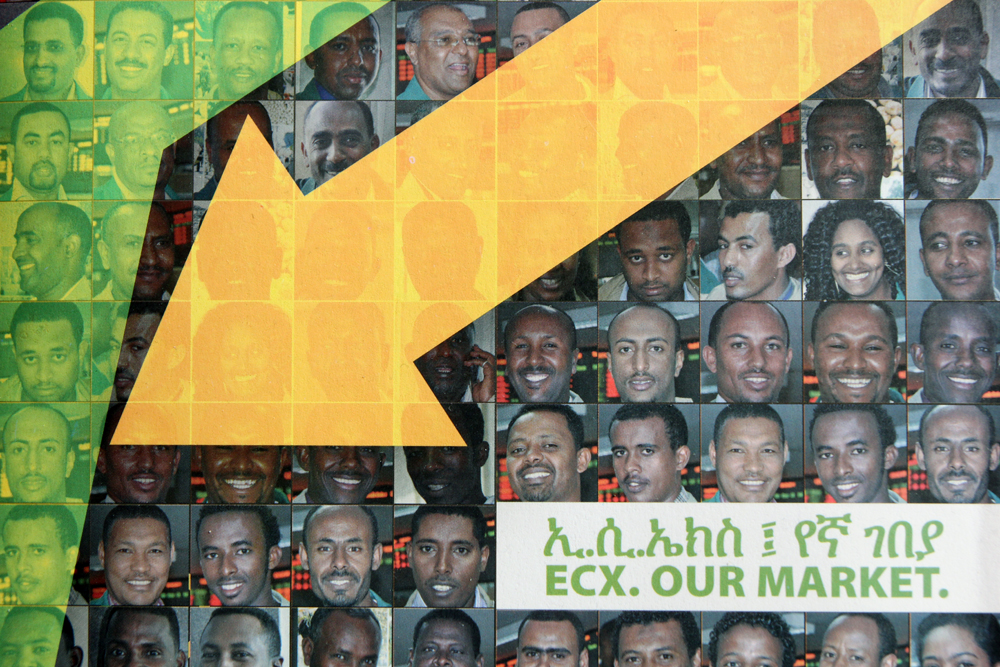
ECX. Our Market (cover detail, ECX publication, 2011)
The exchange, trading primarily in coffee, sesame and peabeans, was founded by Dr. Eleni Gabre-Madhin. A member of the Ethiopian diaspora, Dr. Eleni studied in the United States, completing her doctorate in applied economics at Stanford University. The subject of a PBS documentary, The Market Maker, she wishes to use the traditional role of the market in Ethiopian society as the ‘fair’ means and method to end hunger.
State owned, prices and membership are, to a degree, regulated and the profits, accumulated by the ECX for its services as a trading platform, are re-invested into the organisation as a whole. To encourage transparency, emanating from a stated responsibility to the individual small farmer, farming collective or investor, the complete process from production, selection, storage to the point of sale and subsequent delivery is closely supervised in a framework of ‘open dialogue’. The exchange has grown from a permanent staff of 34 at the beginning to over 600 at present.

‘Trading Floor, ECX’, Addis Abeba, Ethiopia, September 2012
For the past month, following a extended process of negotiation, I have spent most of my time in the Ethiopian capital on one floor of one building, the Trading Floor of the ECX. While immersed in the working atmosphere of the traders and administrative staff, the functioning and ethos of this market framework appear to allude to the complexities embodied in the term, Market. Central to the functioning of capitalism, this term inspires descriptions, due to the global economic collapse, of fear or to be at the mercy of while here in Ethiopia, where 20 million of the country’s citizens (a quarter of the population) are dependent on the coffee industry alone, the framework presently installed at the ECX, appears to offer other possible descriptions.
THE MARKET a project by Mark Curran
January 9, 2012 § 10 Comments
In the continuing evolutionary aftermath of the global economic collapse of 2008/2009 and absence of sustained practice-led research engagement with the central locus of this catastrophic event, the ethnographically informed, multi-sited, transnational project, THE MARKET (2010-), builds upon the cycle of long-term research projects, beginning in the late 1990s, by practice-led researcher and educator, Mark Curran, and focuses on the functioning and condition of the global markets and the central role of financial capital.
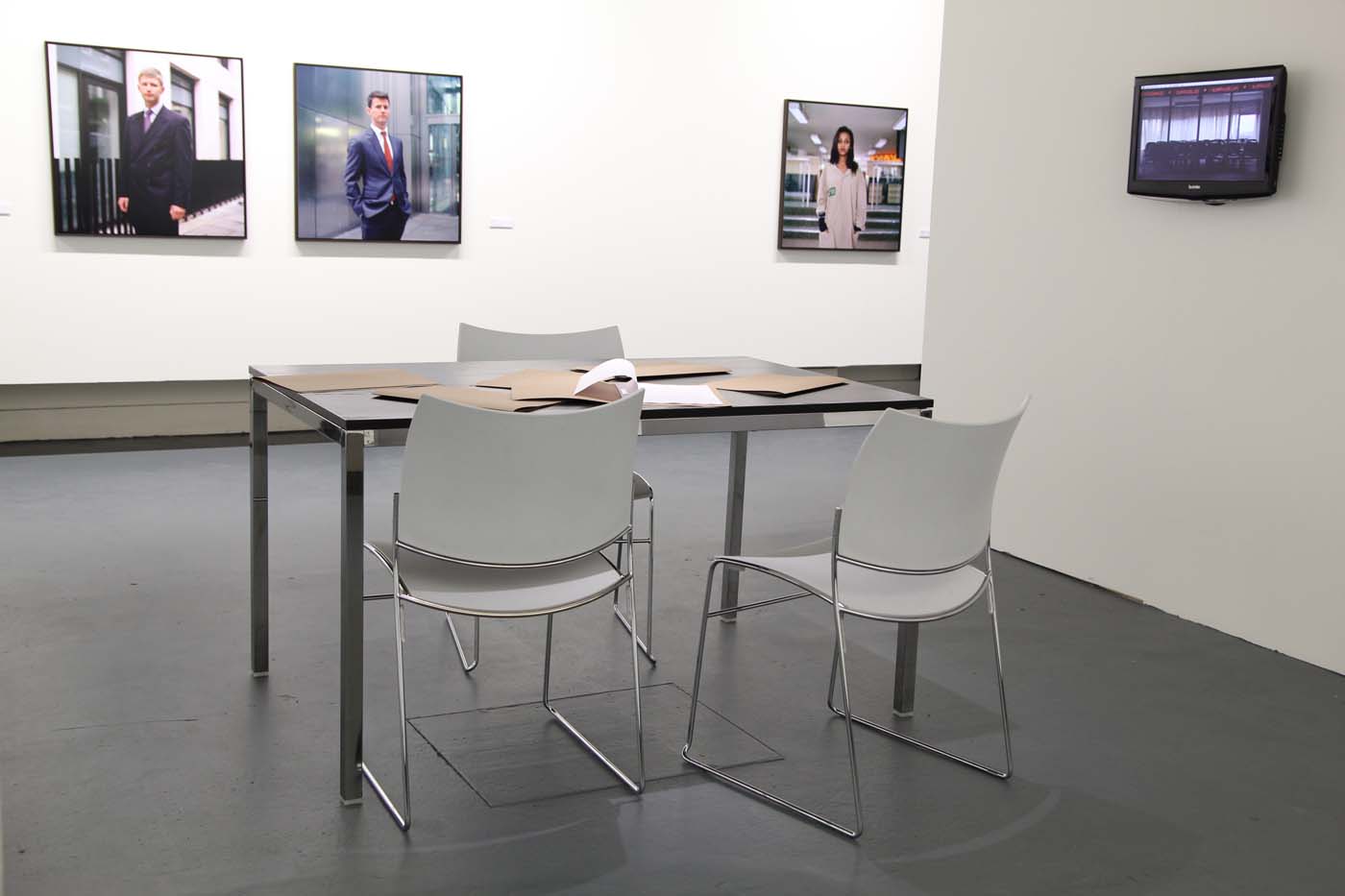
THE MARKET (installation image) Belfast Exposed 2013
The cycle of multi-media research projects, addressing the predatory context resulting from migrations and flows of global capital began with SOUTHERN CROSS (1999-2001)(Gallery of Photography/Cornerhouse 2002) which surveyed the spaces of development and finance of the so-called ‘Celtic Tiger’ Irish Republic. This was followed by The Breathing Factory (2003-2006)(Edition Braus/Belfast Exposed/Gallery of Photography 2006) and subject of his practice-led PhD, sited in a multinational complex in Leixlip in the East of Ireland, the project addressed the role and representation of labour, global labour practices and fragile nature of globalised industrial space. Ausschnitte aus EDEN/Extracts from EDEN (2003-2009)(Arts Council of Ireland, 2011) focused upon a declining industrial and coalmining region in the former East Germany, an area which prophetically evidenced the massive impact regarding the unevenness of development inherent through the functioning of neoliberal globalisation. All projects are intended to demonstrate a continuing and sustained engagement addressing the predatory impact of global capital.
Critically, the ongoing project, THE MARKET, which began in 2010, seeks to access those sites, which all of the other project work to date has also been decisively defined, spaces where literally and metaphorically, futures are speculated upon – the global markets – and to explore, survey and excavate focusing upon their operating functioning and how this is reflected in for example, language, architectural understandings and centrally, the individuals who inhabit, dwell and labour within these global financial spheres. Conceptually pivotal and mindful of technological evolution with specific reference to the role and functioning of algorithms, has been a desire to both make visible an understanding of such sites and to explore the interconnectedness of such markets. Therefore, multi-sited access has been sought to survey various global locations, including sites in Dublin, London, Frankfurt, Addis Ababa and Mumbai. Extended stays and re-visits have been undertaken in each location to facilitate further research regarding the site, address access, establish contacts and develop relationships with individuals as key collaborators and informants of the project.
As demonstrated in Curran’s previous projects, the cross-disciplinary interventions have included an ethnographic understanding in the collaborative and multi-vocal application of media in the form of photography, audio-digital video, soundscape and the collation of verbal testimony. The intention for THE MARKET has been to afford process-led undertakings over the course of its construction, extending to site-specific interventions, web presence and forums around the project installations incorporating interested parties thereby facilitating the opening up of discursive spaces around the central thematic.
In the financial markets, there is a natural predatory instinct that is hard to control (former trader and author, Micheal Lewis, BBC World Service, 9 May 2010)
The video shows a taped up plastic curtain inside the factory, one that seems to be installed for blocking the artist from viewing production equipment and process. Although we cannot see, there seems to be a working (breathing) machine inside the curtain as it, almost unnoticeably, inflates and deflates repetitiously. In fact, the video seems to summate what the audience experiences in the exhibition. The camera made its way inside the factory, but it cannot tell us what the employees actually do or what they produce. We are only allowed to hear the breathe of the factory. This is analogous to today’s globalised economy and financial markets. For many of us, it is almost unfathomable to understand how they operate. We are left outside of a curtain, inside of which a giant machine breathes intermittently. (from Spectators of the Same Story: Economy, Technology, Photography, Jung Joon Lee, Review of The Breathing Factory: A Project by Mark Curran, DePaul Art Museum (DPAM), Chicago January-March 2010, CAMERAta, Seoul, Korea, May 2010)
Keywords Global Capital, Ethnography, Photography, Speculation, Transnational, Vulnerable, Fieldwork, Precarity, Testimony, Cross-disciplinary, Labour, Witness, Reflexive, Installation, Montage, Multivocality, Access, Technology, Algorithms, Visual Art, Futures
 THE MARKET