A ‘Very Modern Struggle’: Allan Sekula
December 3, 2013 § 4 Comments
In August of this year, the artist, activist, writer and educator Allan Sekula passed away following illness. The subject matter of the majority of his project work was framed by the relationship between capital and labour. The following is a reflection on his project, Freeway to China (Version 2, for Liverpool).
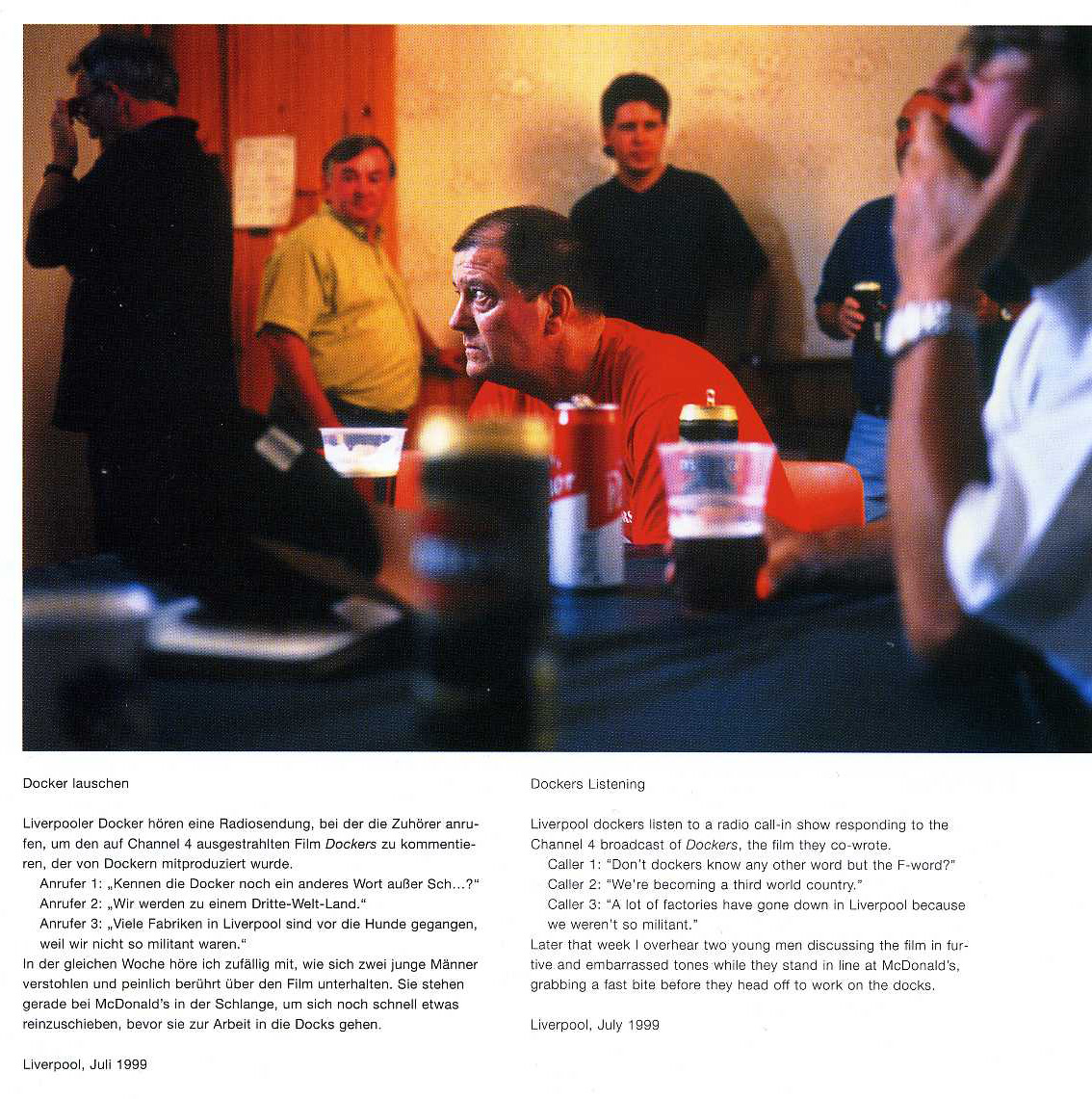
from Freeway to China (Version 2, for Liverpool), Generali Foundation, Vienna, 2003
One thing that struck me strongly in Liverpool and it was certainly present in some of the fiction I’d read was this sense of generational rupture and continuity within working class families. That the sea itself was a kind of thread of escape and becoming.*
In May 2003 at the Generali Foundation in Vienna, Austria, an installation opened with accompanying publication of the same name, Performance Under Working Conditions. This was the first major retrospective of the work by Allan Sekula. It is a section of this exhibition titled, Freeway to China (Version 2, for Liverpool) which is the focus for my discussion to follow – embodying what I would identify as the working methods, re-presentational strategies and central themes addressed in his practice.
‘Our readings of past culture’, wrote Sekula, ‘are subject to the covert demands of the historical present’ (1978: 118). While addressing the re-invention of a documentary photographic practice which acknowledged its modernist underpinnings and role in ideological construction, Sekula was further critical of the role of art and photography in advanced capitalism and its commodification, becoming a ‘specialised colony of the monopoly of capitalist media’ (ibid.: 120). Nonetheless, having become familiar with critical documentary photographic practice, Sekula ascribed that there remained the potential, through a reflexive awareness, to usurp what he would define as the solely aesthetic distractions of modernist visual practices, thereby re-inscribing photography’s critical potentialities that remained.
In a similar vein and with reference to the agency of the image archive (which he defined as ‘elements in a unified symbolic economy’ (2003a: 450)), Sekula questioned the value of such sites due to their ‘depoliticisation of photographic meaning’ (ibid.: 444), where such meanings were ‘up for grabs’ (ibid.: 444). Significantly, these observations alert us to both the implications through the continued application of the photograph and the political potentialities within the meaning of photographs produced – potentials in specific critical contexts which produce meaning whilst simultaneously alerting us to the role of photographic representation and its functioning in the formation of ideological histories. These themes continued to define Sekula’s practice in the critical application of the still and moving image, illustrated further in relation to the archive and the function of context in the reading of the photograph. As Sekula wrote:
[It] is clear that photographic meaning depends largely on context. Despite the powerful impression of reality…photographs, in themselves, are fragmentary and incomplete utterances. Meaning is always directed by layout; captions, text, and site and mode of presentation…thus, since photographic archives tend to suspend meaning and use, within the archive meaning exists in a state that is both residual and potential. The suggestion of the past uses coexists with a plentitude of possibilities. (2003a: 445)
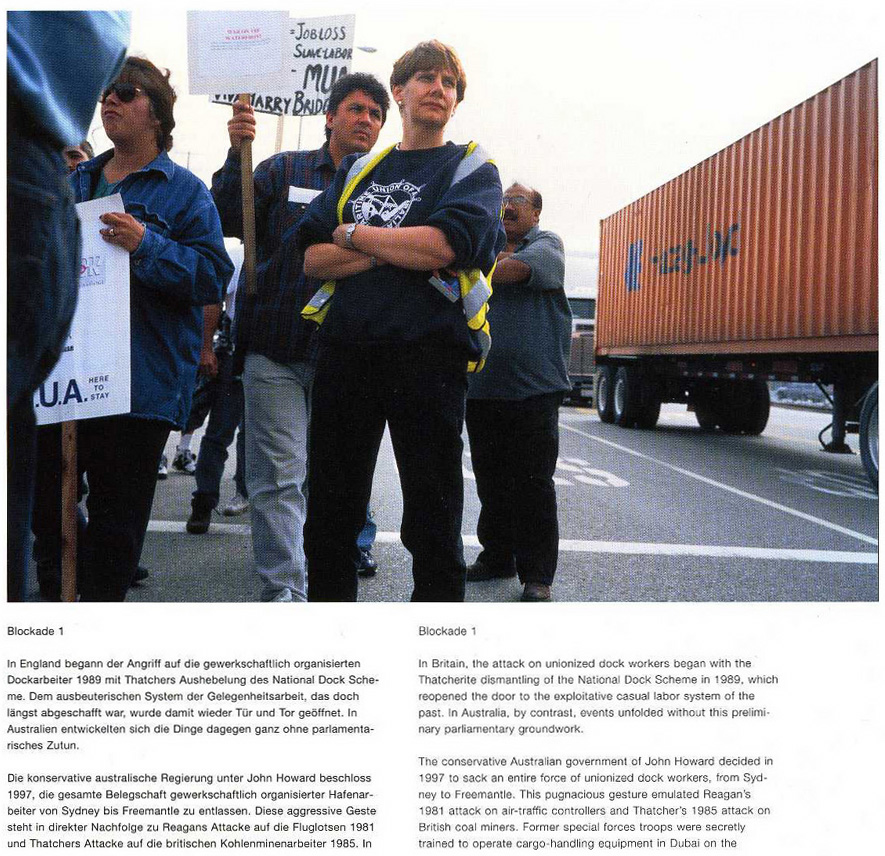
from Freeway to China (Version 2, for Liverpool), Generali Foundation, Vienna, 2003
These defining characteristics, regarding the representation of the image archive and their construction in meaning, continued to define his representational strategies. We can now recognise such approaches as emblematic of late-modern photographic practice, ‘principally residing in its dismantling of reified, idealist conceptions enshrined in modernist aesthetics – issues devolving on presence, subjectivity, and aura’ (Solomon- Godeau 1999: 249).
With a continuing focus upon the high seas, his project, Freeway to China documented the changes resulting from globalisation in world ports and dockland areas, specifically Los Angeles, Sydney and Liverpool. While acknowledging the predatory impact of global capital,
Sekula identified the potential for solidarity between workers. As Zanny Begg observes, ‘the sea is embedded with the memory of earlier pre-industrial and industrial phases of capitalism which haunt Sekula’s critique of globalisation’ (2005). Economy had been a central theme for Sekula and in particular, the subject of the maritime, which he described as ‘an obsessive interest’ (1997: 59) since the 1980s:
First, ‘“the economy”’ is widely regarded as unrepresentable within the field of culture, its abstraction and complexity defy translation. Second, ‘“the economy”’ is not a fashionable topic, nor has it been one….[The] economy is culture’s imaginary bad object, even as culture in reality submits to market forces. (1997: 50)
Repeatedly, he addressed the seminal role of labour, proffering representational strategies primarily through the incorporation of text and image. In late 1999, Sekula was invited to participate in the Liverpool Biennale resulting in Freeway to China (Version 2, for Liverpool).
Building on existing work produced in collaboration with the longshore men and women of the port of Los Angeles, he was struck by the historic and contemporary role of unionised labour in Liverpool’s docklands. Particularly, Sekula noted the immediacy of the ‘neglected two-year struggle against a mass sacking’, which he identified as embodying, ‘many of the key issues of the battle against neoliberalism and globalisation.’ (2003b: 278). Having been introduced to the Dockers and their families, Sekula befriended them and subsequently enlisted their assistance and complicity in the formulation of this piece of work. Besides the photographs produced, he wrote an extended piece of text which was published, and for the exhibition, images were presented alongside, anecdotal and descriptive passages:
[To] insist that language is an integral element of the work itself, and not a supplement, is to hope for an end to the institutional automatism of the bureaucratic hierarchy and division of labor that leads us from the ‘“visual”’ artist to the “verbal” critic. (1997: 58)
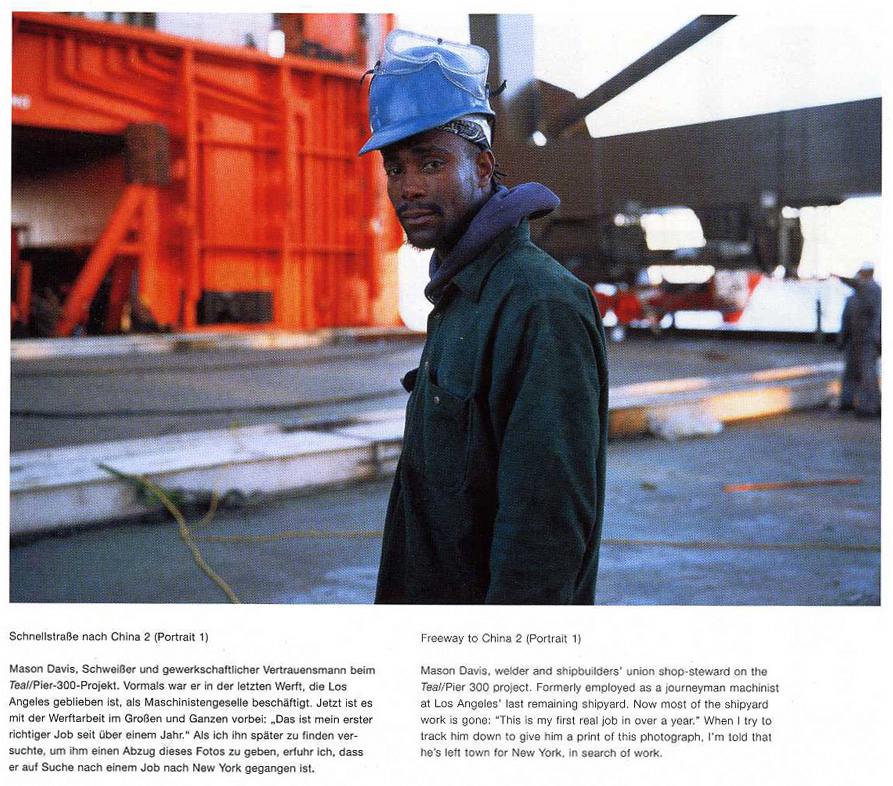
from Freeway to China (Version 2, for Liverpool), Generali Foundation, Vienna, 2003
In the image above, Mason Davis, a welder in the port of Los Angeles, stares directly into the camera, somewhat passively yet somewhere else in his engagement, out towards the viewer and then beyond, somewhere. Sekula documented this moment and recalled how it was Mason’s ‘first job in a year’ and then embellished the encounter, recalling how when he returned to give him a copy of the photograph, Mason had moved on to New York in search of work. This image formed part of the installation at the Open Eye Gallery in Liverpool. Sekula invited local photographer, Dave Sinclair, to share the exhibition space as a means for ‘dialogue between, what he decribed as ‘my more “global” take on maritime struggles and his intimate and “local” engagement with Liverpool history and the fight as it unfolded’ (2003b: 278).
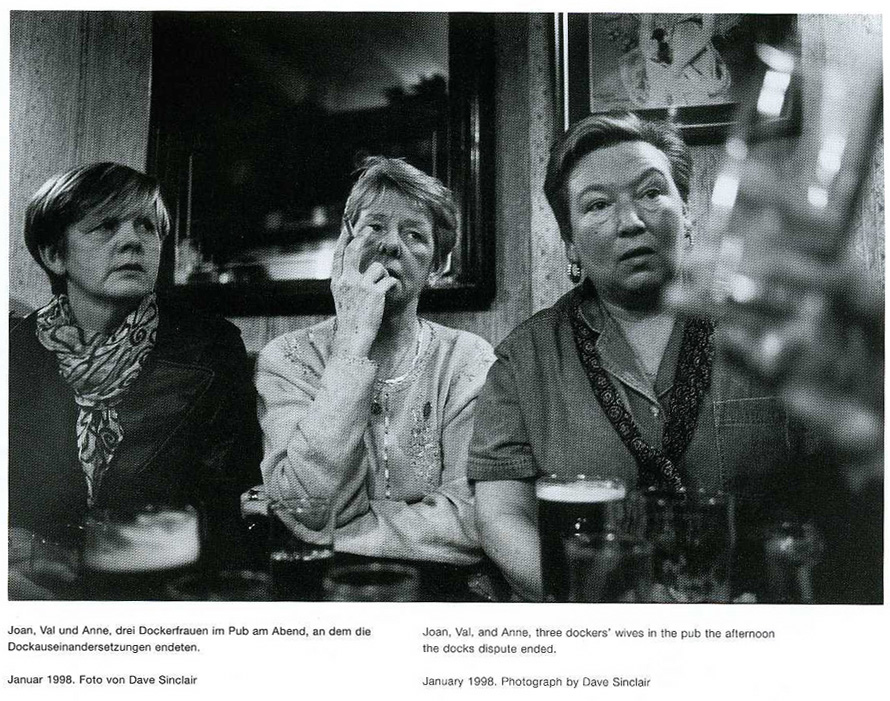
from Freeway to China (Version 2, for Liverpool), Generali Foundation, Vienna, 2003,
photograph by Dave Sinclair
Three women sit, engrossed, concerned (Image above), nails chewed – a black and white portrait. Below eye level, a glass is risen partially obscuring the right hand side near the viewer’s point of view. In the intimate and familiar surroundings of the local pub, the cultural meeting point, a place of exchange in this time of crisis – the latest news is awaited, possibly a decision that will shape futures, perhaps their own. The women portrayed display no awareness of the photographer, the image emblematic of a ‘documentary style’, their lack of awareness evidencing trust at this most pivotal of times. A counterpoint to the image of Mason, in format and style, however, struggles linked through a dependency concerning dockworker futures and how photography, critically has a role, albeit with caution, to bear witness.
‘But awareness of history’, Sekula observed, ‘as an interpretation of the past succumbs to a faith in history as a representation. The viewer is confronted, not by historical-writing, but by the appearance of history itself’ (original italics 2003a: 447). The constructed nature of such historical knowledge and photography’s role in its ideological grounding remained relevant throughout. Repeatedly, one is made aware not only of the subject matter of Sekula’s project work but of the critical reading of the media employed. Referencing the observation of Bertolt Brecht concerning the photographs of the Krupp Factory Works and how something must be ‘constructed’ (Sekula 1997), Sekula discussed its impact on the installation of his work:
In an exhibition space, of course, this requires more than the turning of pages, but an act of walking. Both allow the viewer to come to initial terms with the image without the benefit of the caption’s gesture of semantic anchorage. Thus also the overall picture sequence is afforded a certain visual autonomy. Overall my aim is to construct an open invitation for desultory movement between the photographically- produced text panels in black and white and the sequences of colour photographs: a kind of meandering voyage of reading and looking. (1997: 58)

Amidst the installation, Mickey Tighe and Marty Size gaze through upright rusting metal bars (image above), hands grasping, grasped – the images of them, the left part of a diptych. The image to the right is their view and now the viewers, looking out and beyond. Both have been replaced and so they, and the viewer look towards the site of their former employment, bars impeding, obscuring, an empty space and beyond and in the distance, the docklands of Liverpool. They note the workers presently employed, describing them as ‘scabs’ – non-unionised labour brought in to replace those who once worked there – Mickey asks, ‘Marty, isn’t that your machine?’
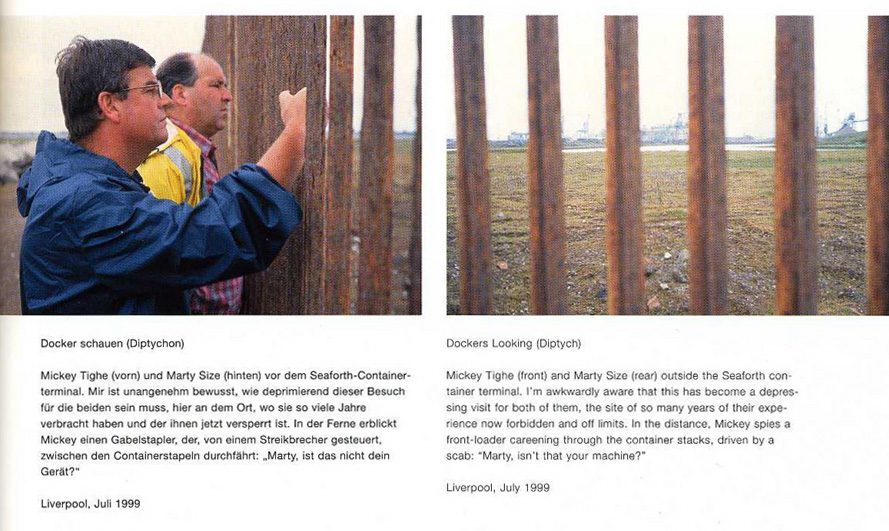
from Freeway to China (Version 2, for Liverpool), Generali Foundation, Vienna, 2003
‘Freeway to China (Version 2, for Liverpool)’, stated the accompanying press release, ‘reminds us both of the distance and proximity of space in the globalised world…and the physical necessity of transport and therefore labour’. However, as evidenced in the aforementioned exchange between the two dockworkers and their grammatical adoption of the possessive article, the project further and critically challenged any all- encompassing assumptions concerning a uniformity of the impact of globalisation:
The Liverpool dockers and their wives, their families insist that theirs has been a very “modern struggle”, refuting the smug neoliberal dismissal of dock labor as an atavistic throwback to an earlier mercantile age. Postmodernists, who fantasize a world of purely electronic and instantaneous contacts, blind to the slow movement of heavy and necessary things, may indeed find this insistence on mere modernity quaint….[But] against the pernicious idealist abstraction termed “globalism”, dockers enact an international solidarity based on intricate physical, intellectual, and above all social relationships to the flow of material goods. (Sekula 2003b: 297)
Sources quoted:
Begg, Z. (2005) ‘Photography and the Multitude: Recasting Subjectivity in a Globalised World’, Borderlands E-Journal, Volume 14, 1, <http://www.borderlands.net.au/vol4no1_2005/begg_art.htm> [Accessed 24 June 2009].
Sekula, A. (1978) ‘Dismantling Modernism, Reinventing Documentary (notes on the Politics of Representation)’ in (1999) Dismal Science, Photo Works 1972 – 1996, University Galleries of Illinois State University, Chicago, 118–138.
–––––––– (1997) ‘On “Fish Story”: The Coffin Learns to Dance’ in Camera Austria, Camera Austria, Graz, Issue 59/60, 49–59.
–––––––– (2003a) ‘Reading the Archive: Photography Between Labour and Capital’ in Wells, L. (ed.) (2003) The Photography Reader, Routledge, London, 443–452.
–––––––– (2003b) Allan Sekula: Performance Under Working Conditions, Wien: Generali Foundation & Hatje Cantz.
Solomon-Godeau, A (1999) ‘Living with Contradictions: Critical Practices in the Age of Supply-Side Aestheticss’ in Squiers, C. (ed.) Overexposed: Essays on Contemporary Photography, The New Press, New York, pp. 247 – 268.
*From interview with Sekula on the occasion of the ‘Contemporary Documentary Exhibition’ at the Victoria & Albert Museum, London, September 2002 to January 2003.
A version of this text was included as part of my practice-led doctorate thesis, the abstract of which can be viewed here.
MOMENTOUS TIMES (FORUM)
October 29, 2013 § Leave a comment
Marking the conclusion of the exhibition, Momentous Times, curated by Aileen Burns & Johan Lundh, a forum has been organised for Saturday, November 2nd at CCA Derry-Londonderry.
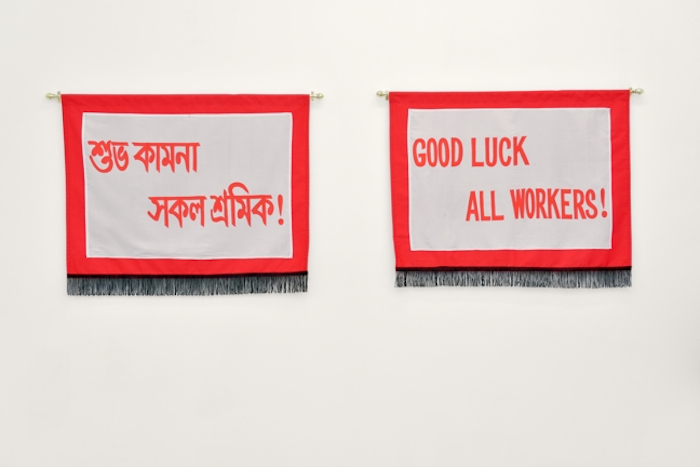
Aideen Doran ‘Good Luck All Workers’ (2013)
The first two decades of the 20th century were undeniably momentous for people of Ireland on many fronts. There were major strikes for dock, tram, and factory workers from Belfast to Cork, Galway to Limerick, from 1907 to 1913, culminating in the Dublin Lockout.
The centenary of the Dublin Lockout has prompted CCA to consider conditions of labour and the role of representation in shaping work and workers’ rights between three moments: 1913, 2013, and 2113. Through an exhibition, public forums, screenings, and a publication, Momentous Times examines the past, explores the present, and speculates about the future of labour.
On Saturday, November 2nd, we will host the second and last public forum between noon and 6 pm, organised and moderated by scholar and writer Marina Vishmidt. The forum will feature presentations by Mark Curran, Eamonn McCann, Anthony Iles, Precarious Workers Brigade, Kerstin Stakemeier, Hito Steyerl, and Josefine Wikström.
Full details and programme are available here.
Land │Labour │Capital
September 23, 2013 § Leave a comment
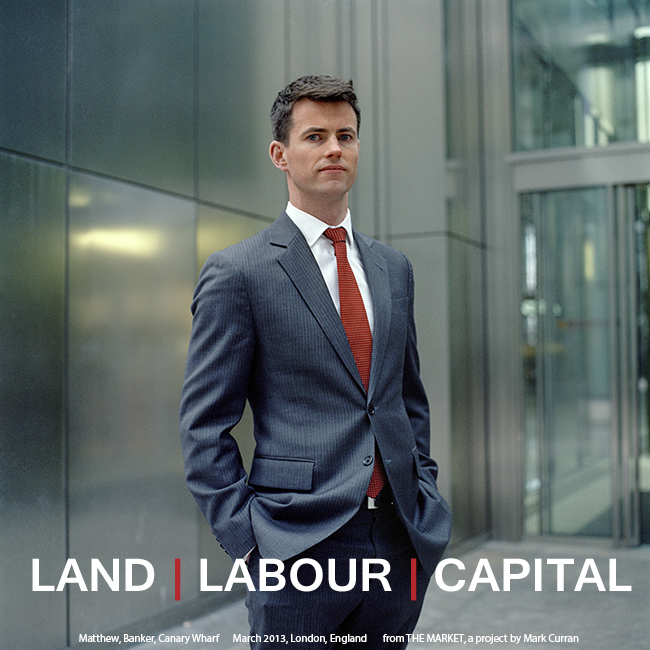
Future State, in partnership with Limerick City Gallery of Art (LCGA) and Goldsmiths, University of London, is an interdisciplinary and collaborative conference at LCGA on 26-28 September and is taking place during Labour and Lockout, an exhibition to mark the centenary of the 1913 Dublin Lockout, a key moment in Ireland’s industrial history when employers refused to recognize workers in an attempt to break worker solidarity and the trade union movement.
Land│Labour│Capital will reflect on the relevance of 1913 for the contemporary moment and seek, through dialogue, to foreground radical and alternative narratives for future history-making.
Invited speakers include Dr. Mark Curran, Dr Angela Dimitrakaki, Professor Nicholas Mirzoeff and Dr. Deirdre O’Mahony among a host of other academic and artist participants.
The full programme including screenings, events and presentations can be found here.
UPDATE (October 2013)
Founding member of Future State and central organiser, Stephanie Feeney, offers some rich reflection and insight on the conference events which can be read here.
Installation: THE MARKET
September 8, 2013 § Leave a comment
Gallery of Photography, Dublin 24 August – 1 october 2013
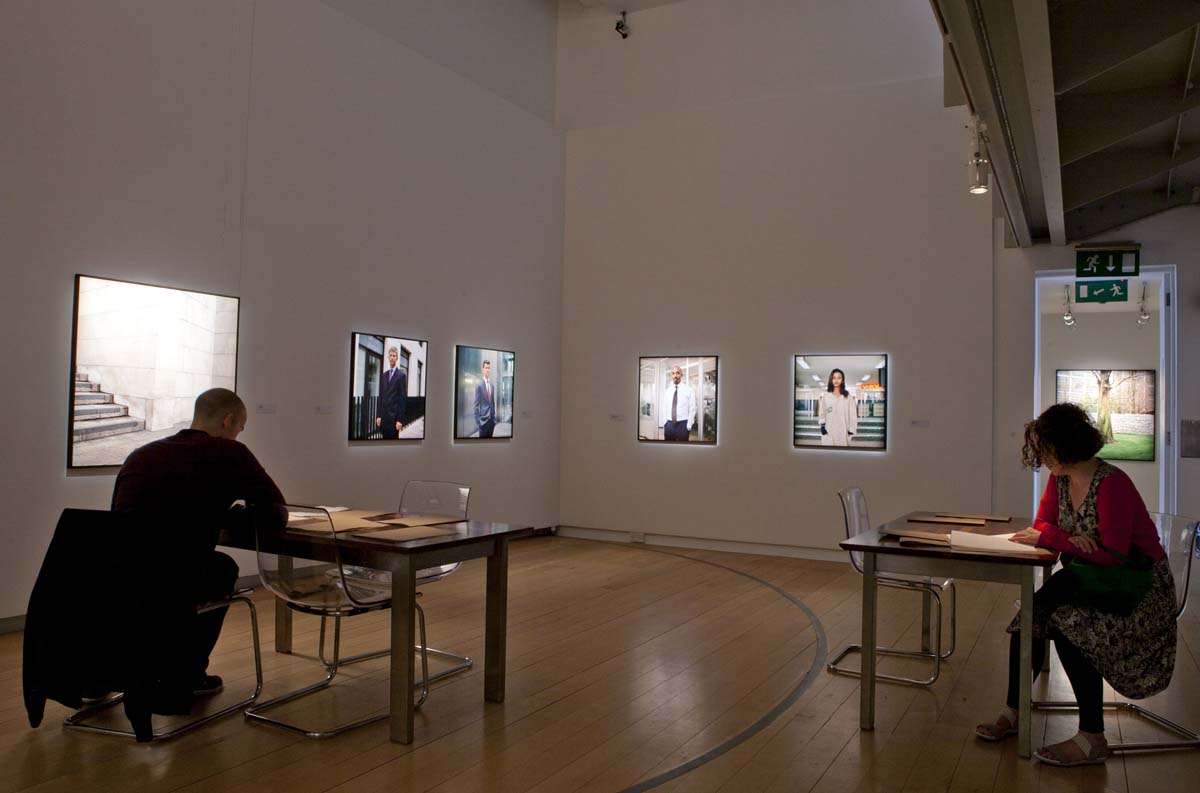
(installation photograph by Jamin Keogh)
(installation photograph by Jamin Keogh)

(installation photograph by Jamin Keogh)
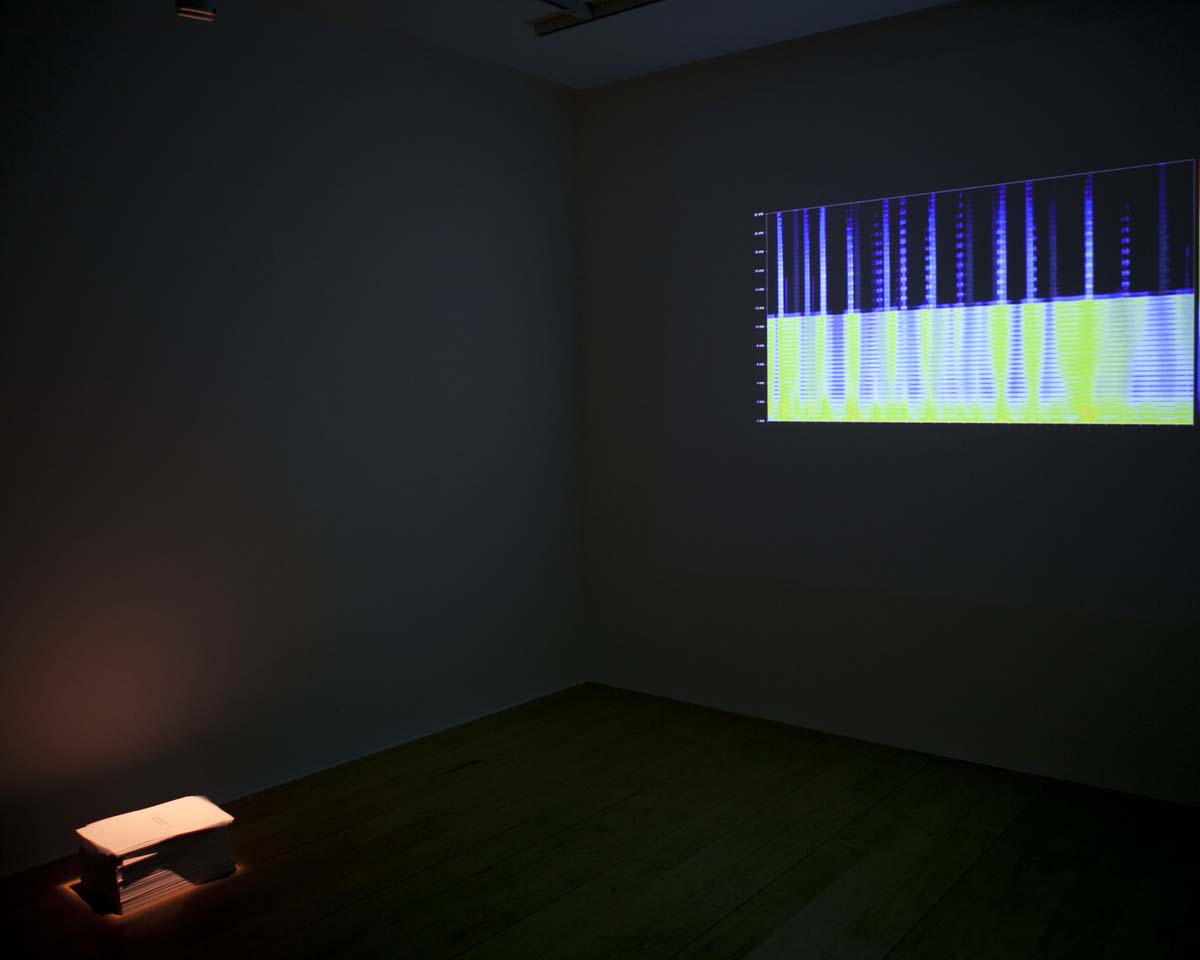
The image above of part of the installation titled The Normalisation of Deviance shows Spectrograms, a moving visual representation of the soundscape of the installation. The soundscape has been generated through the data generated through the use of an algorithm to identify how often the Irish Minister for Finance has used the word Market or Markets in his public speeches since taking office.
(installation photograph by Jamin Keogh)
(installation photograph by Jamin Keogh)
(installation photograph by Jamin Keogh)
Belfast Exposed 29 August – 11 October
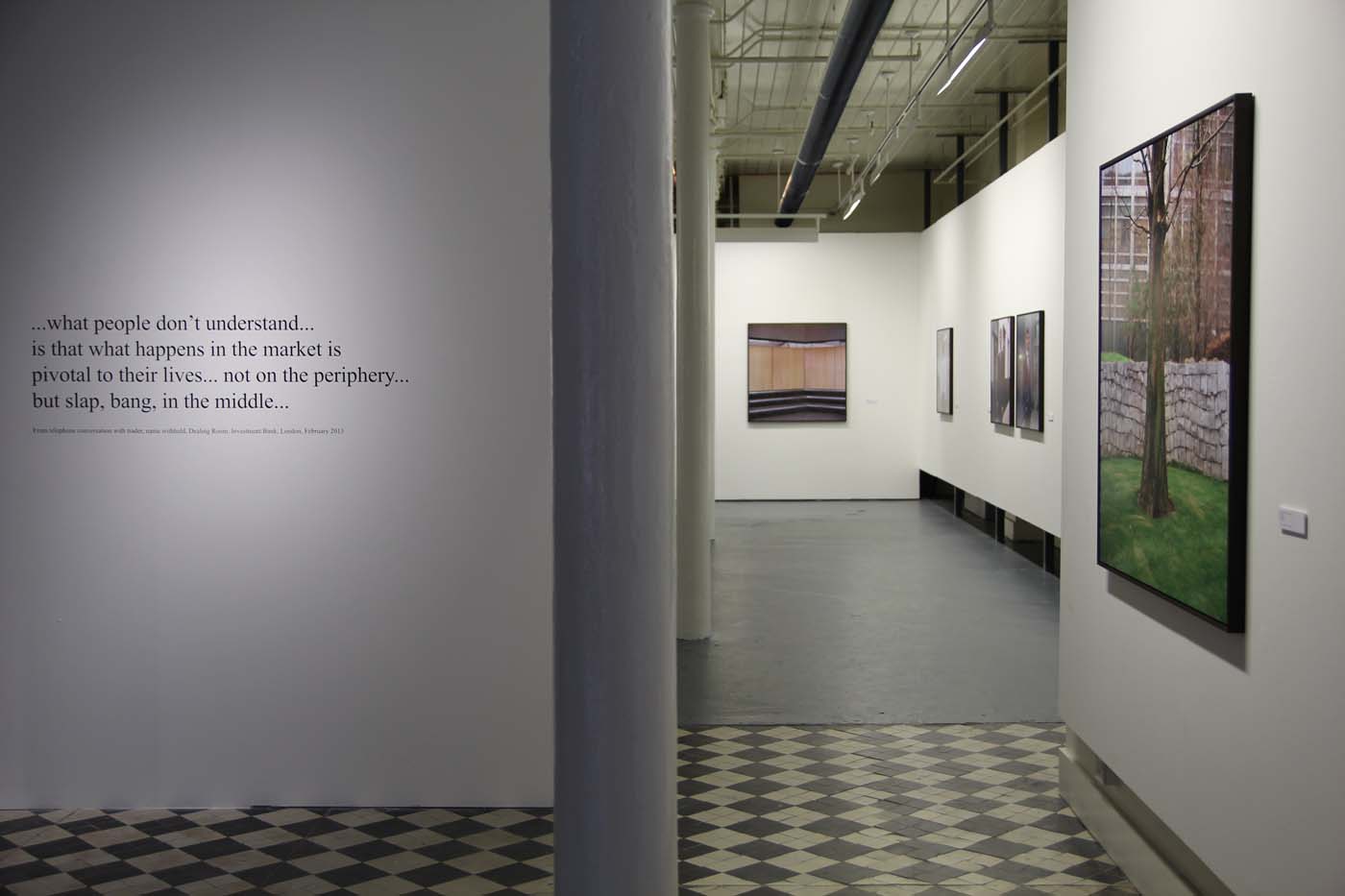
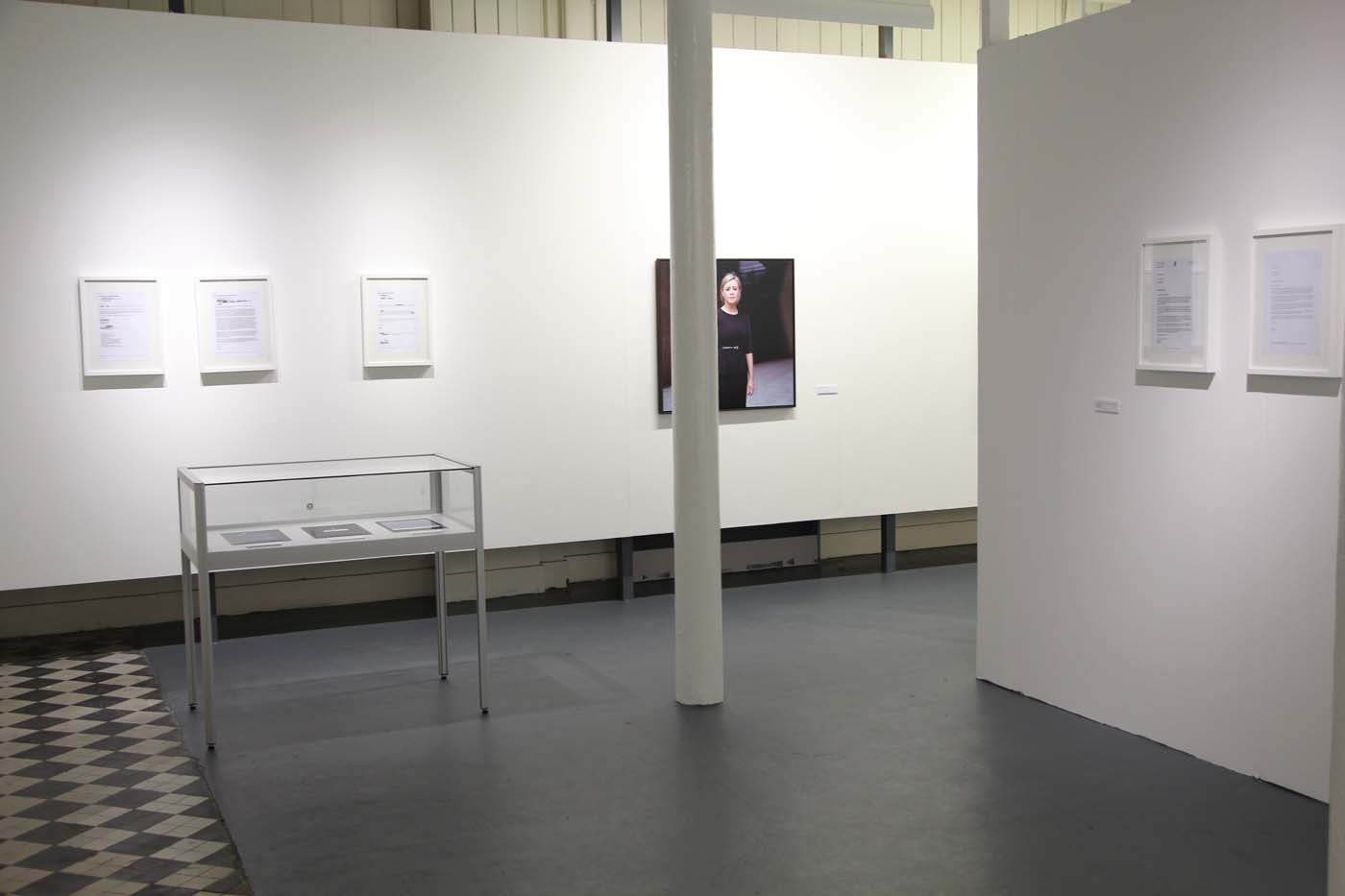
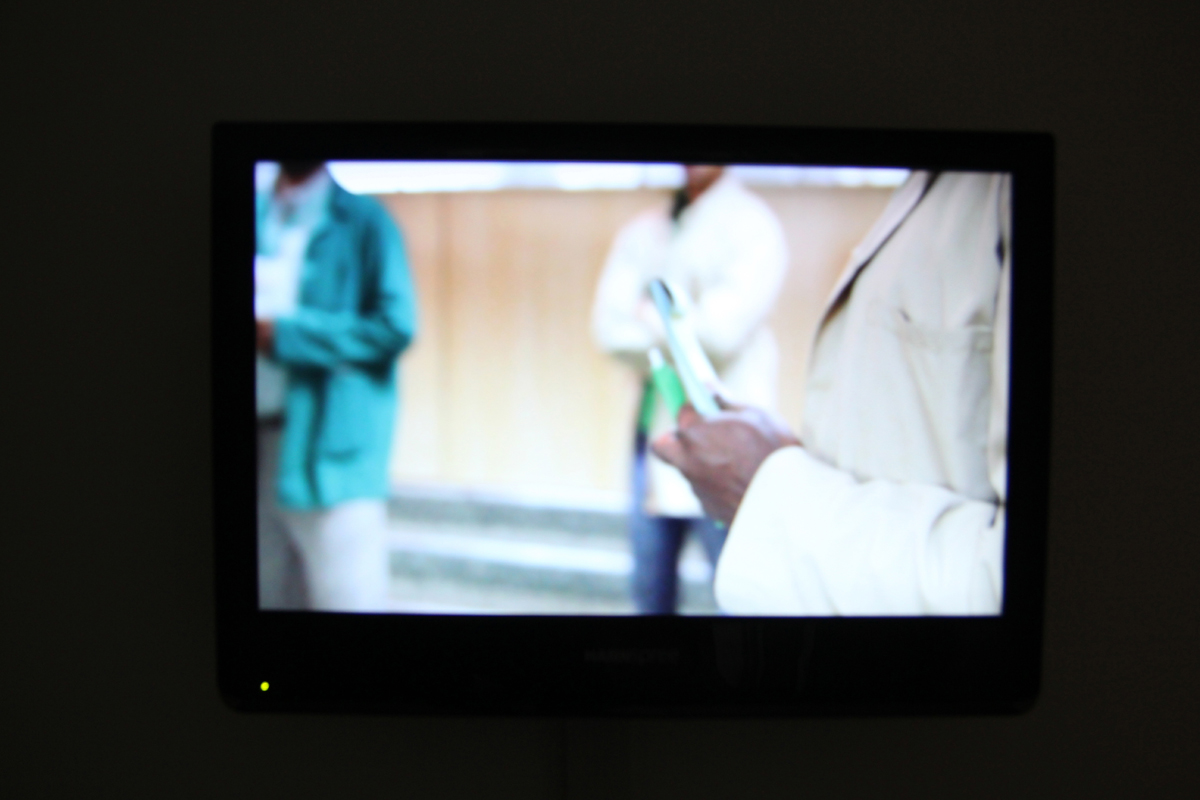
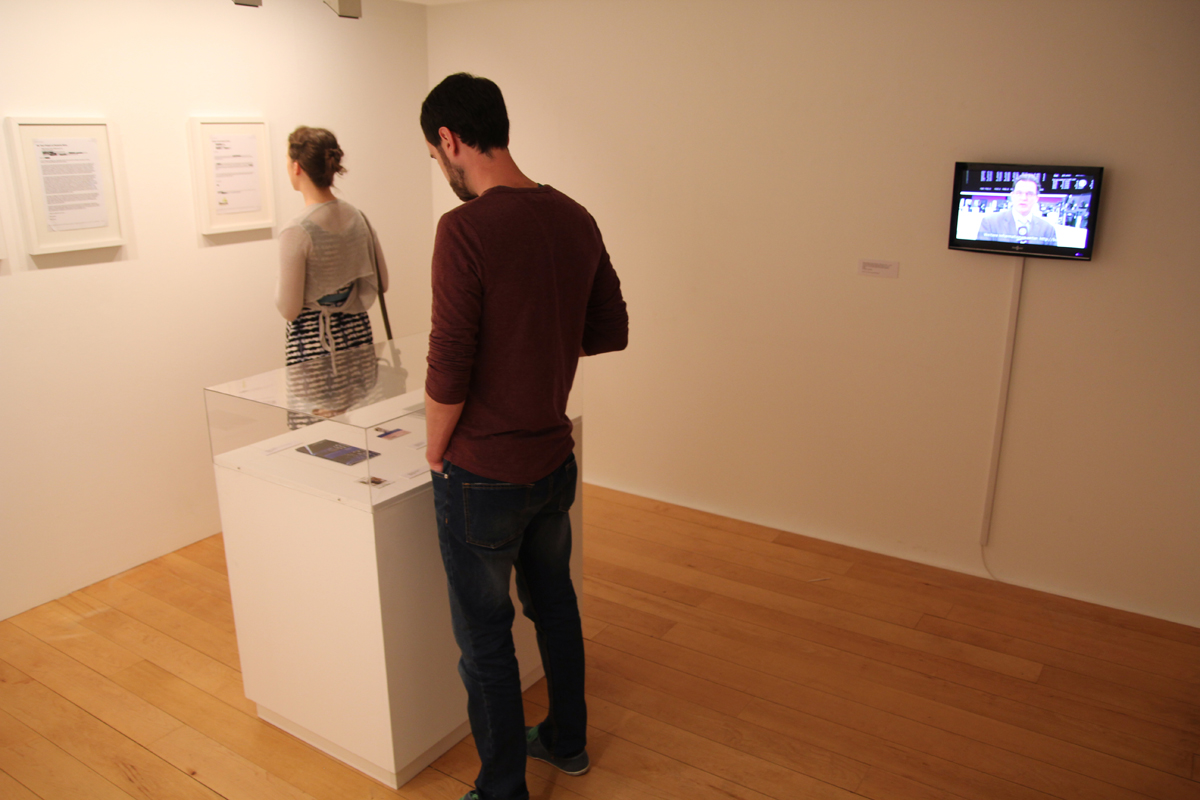
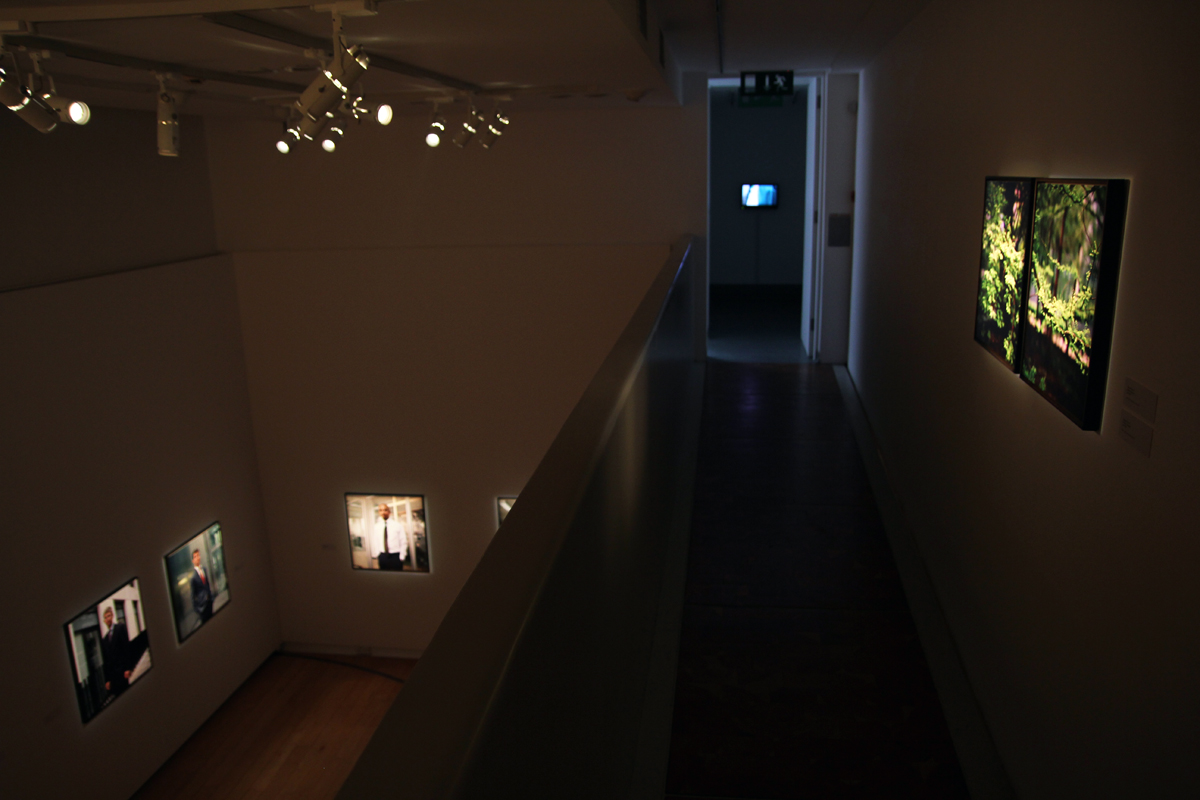
The installation is similarly framed by the soundscape generated through the data generated by an algorithm identifying the application of the words Market or Markets by the British Chancellor of the Exchequer in his public speeches since taking office.
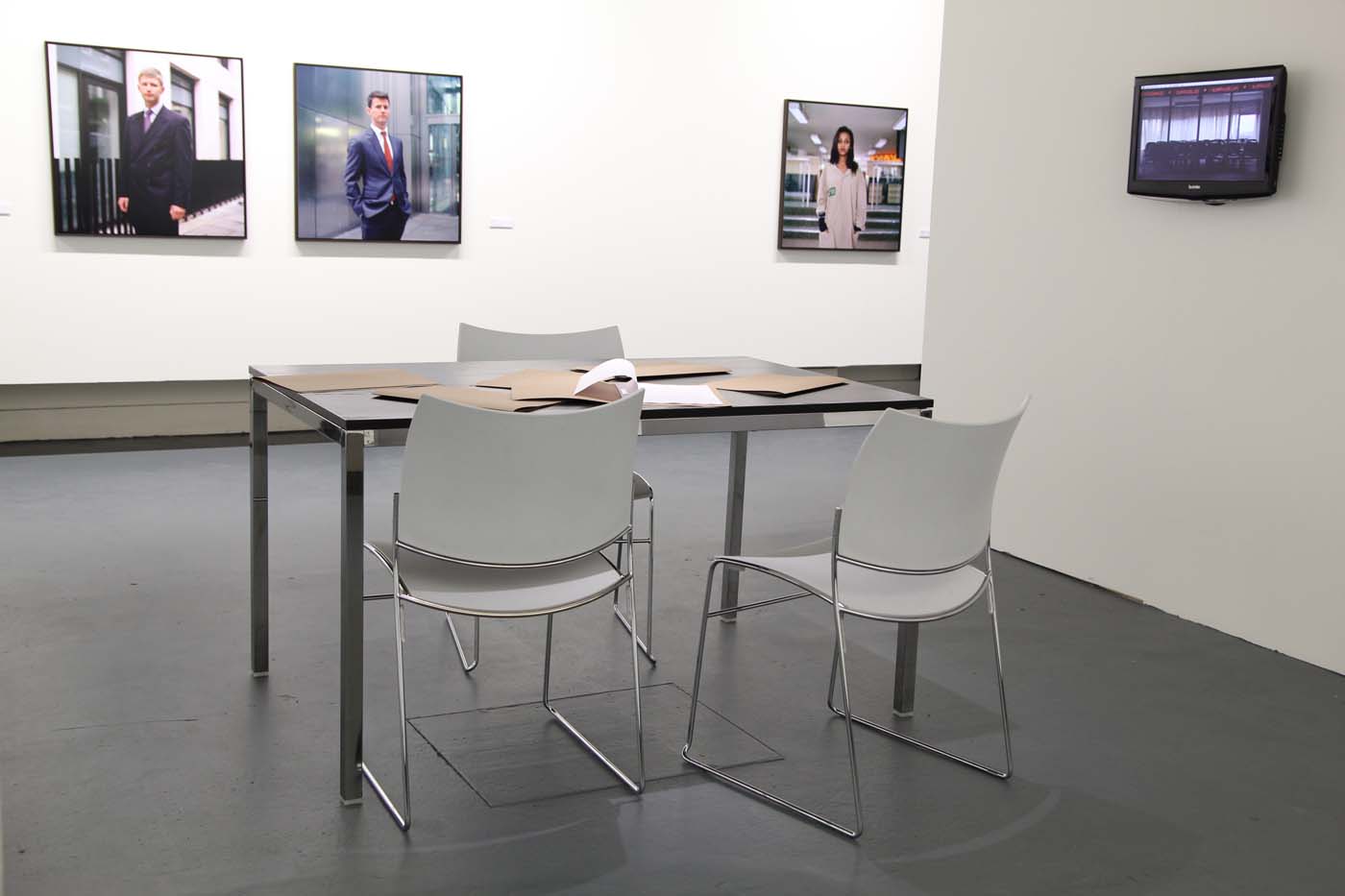

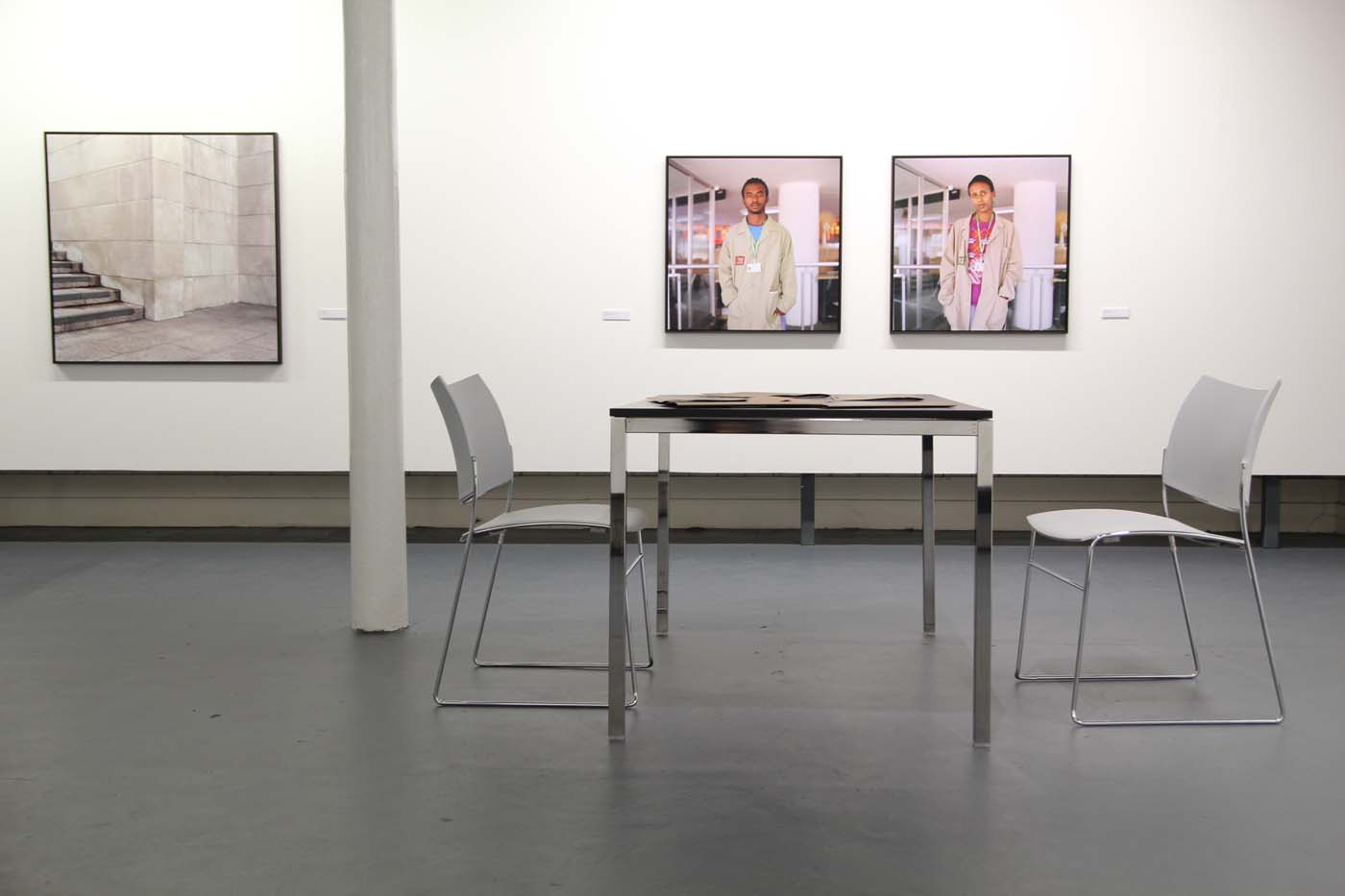
The installation image below shows the 6 feet high stack of A4 paper also titled The Normalisation of Deviance as part of the installation. This equates to the findings by a Chicago-based researcher of the number of global positions taken through the use of algorithms on one stock in one nanosecond. The total was 14,000 and equates to this amount of paper if this data was printed out. On the pages facing up is the quote:
…what people don’t understand… is that what happens in the market is pivotal to their lives… not on the periphery…but slap, bang, in the middle…
(From telephone conversation with trader, name withheld, Dealing Room, Investment Bank, London, February 2013
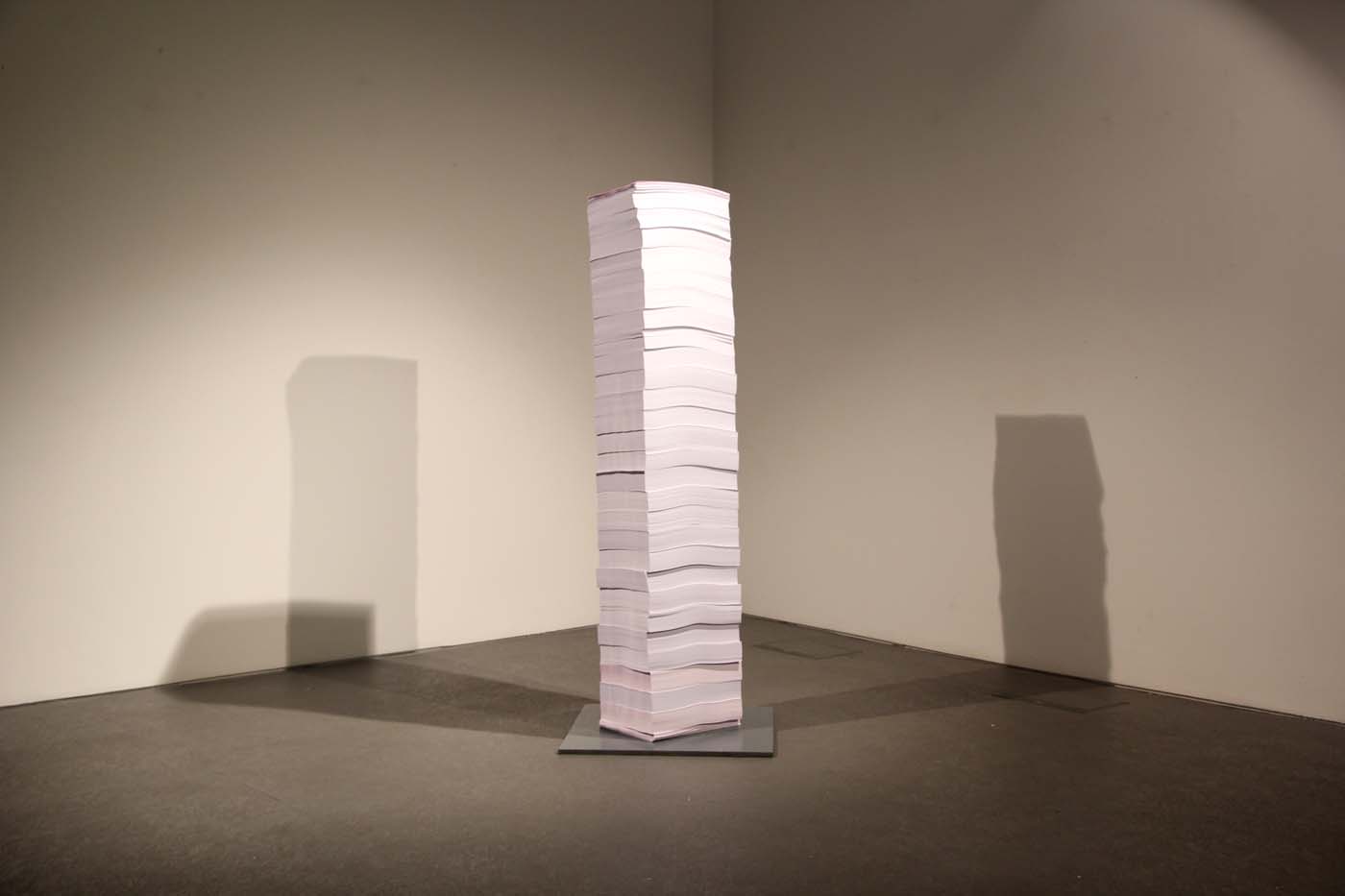
THE MARKET @ Belfast Exposed
August 29, 2013 § Leave a comment
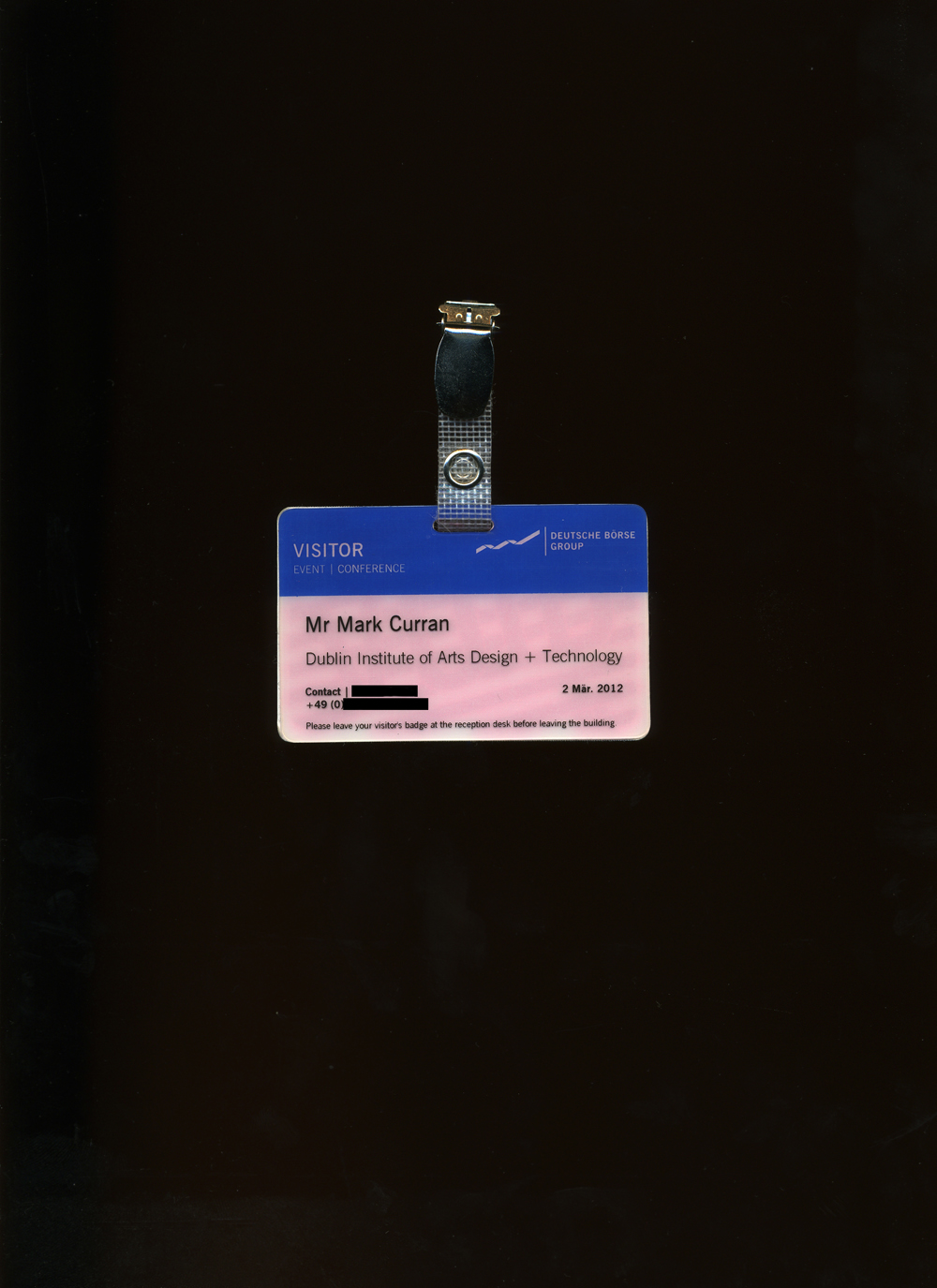
Void Visitors Pass, Eschborn, Frankfurt, Germany, March 2012
THE MARKET
Further information available here.
THE MARKET @ Gallery of Photography, Dublin
August 22, 2013 § Leave a comment
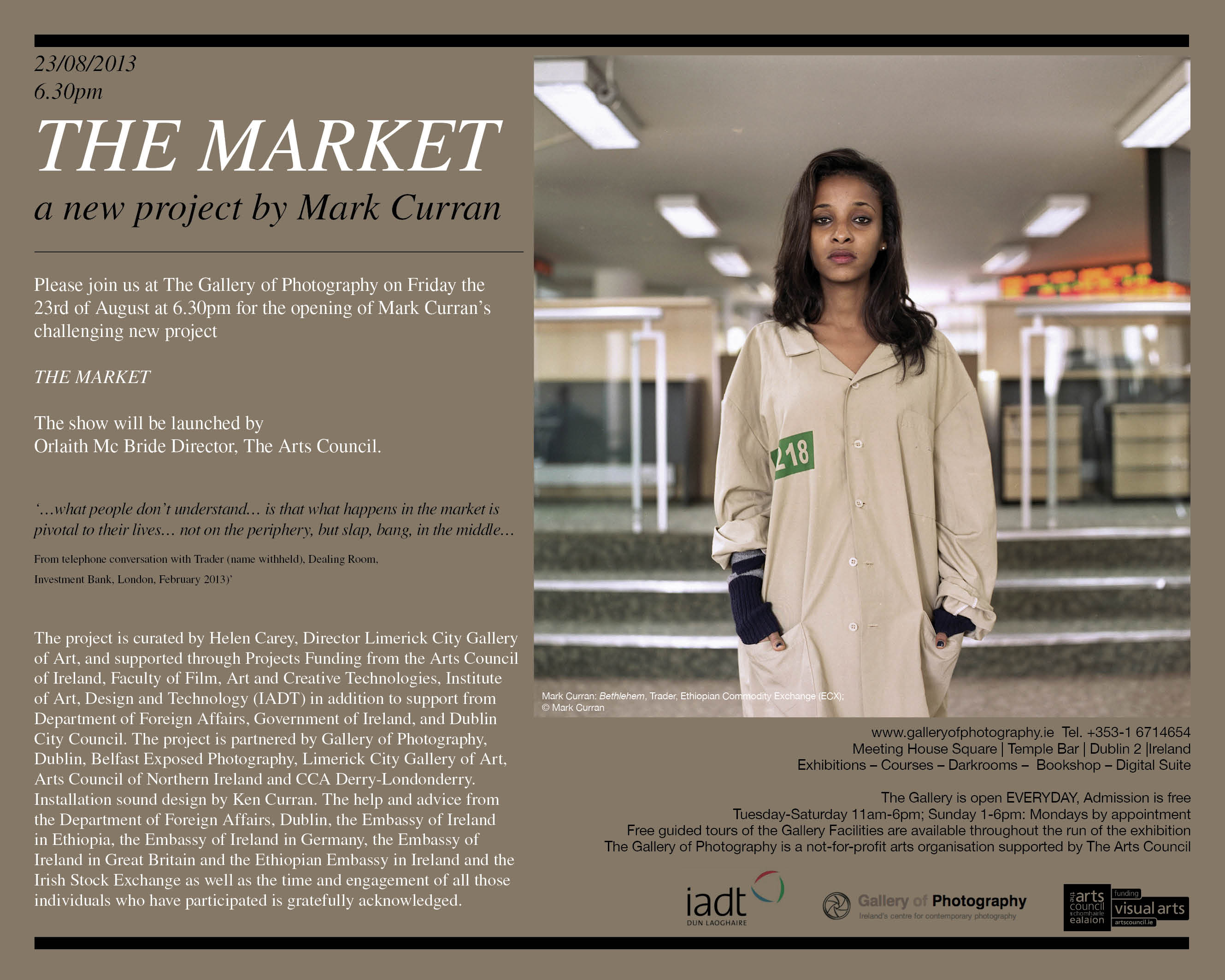
The installation of THE MARKET by Mark Curran, curated by Helen Carey, on the function and condition of the global stock and commodity markets will be opened this Friday, August 23rd at 6.30pm by Orlaith McBride, Director of the Arts Council of Ireland at the Gallery of Photography, Dublin.
The show continues until October 1st. (Algorithm and sound design by Ken Curran). Further information here.
ALLAN SEKULA 1951-2013
August 12, 2013 § Leave a comment

Allan Sekula, Dear Bill Gates, 1999 (image by artist)
An artist, writer and educator of great conviction, it is very sad to hear of the passing of the remarkable Allan Sekula.
Here are some links (here and here) to words and images in relation to an individual, whose relevance as a practitioner seems more significant as ever, particularly for dealing with subjects like labour, global capital and economy when, as he stated, ‘they weren’t sexy’. He will be greatly missed.
LABOUR & LOCKOUT: ‘you take my life when you do take the means whereby I live’
August 2, 2013 § Leave a comment
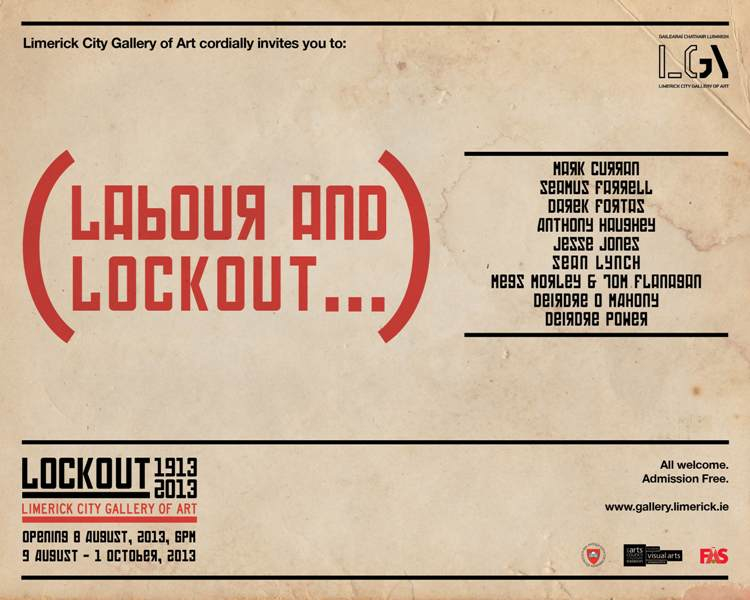
Opening Thursday, August 8th at the Limerick City Gallery of Art, this group show curated by Helen Carey, employs the context of the centenary of the 1913 Dublin Lockout as a means to reflect and address its significance for the present. The show continues until October 1st.
Artists include Deirdre O’Mahony, Anthony Haughey, Deirdre Power, Darek Fortas, Jesse Jones, Sean Lynch, Seamus Farrell, Megs Morley & Tom Flanagan and Mark Curran.
In addition, from the 26-28 September, the research collective, Future State, is collaborating with Goldsmiths, University of London and Limerick City Gallery of Art to host Land Labour Capital, a three-day event of film screenings, artist talks, seminars and workshops related to the exhibition theme. Keynote speakers will include, Deirdre O’Mahony, Professor Nicholas Mirzoeff, Dr Angela Dimitrakaki and Mark Curran.
Full details can be found here.
Beyond Control
July 18, 2013 § Leave a comment
There have been longer gaps between recent posts than would be liked, in the preparation for installations and events regarding the project in August & September in Ireland. However, a significant reference for this project and its undertaking has been the UK newspaper, The Guardian-supported, The Joris Luyendijk Banking Blog: Going Native In The World Of Finance. Luyendijk, a Dutch-born Anthropologist and journalist, has based himself in London for the last two years undertaking research, similar to the thematic concerns of this project, to understand how the financial world operates and who are those working within this sphere. There are a substantial and rich array of interviews and articles available on the blog here, which form an invaluable resource.
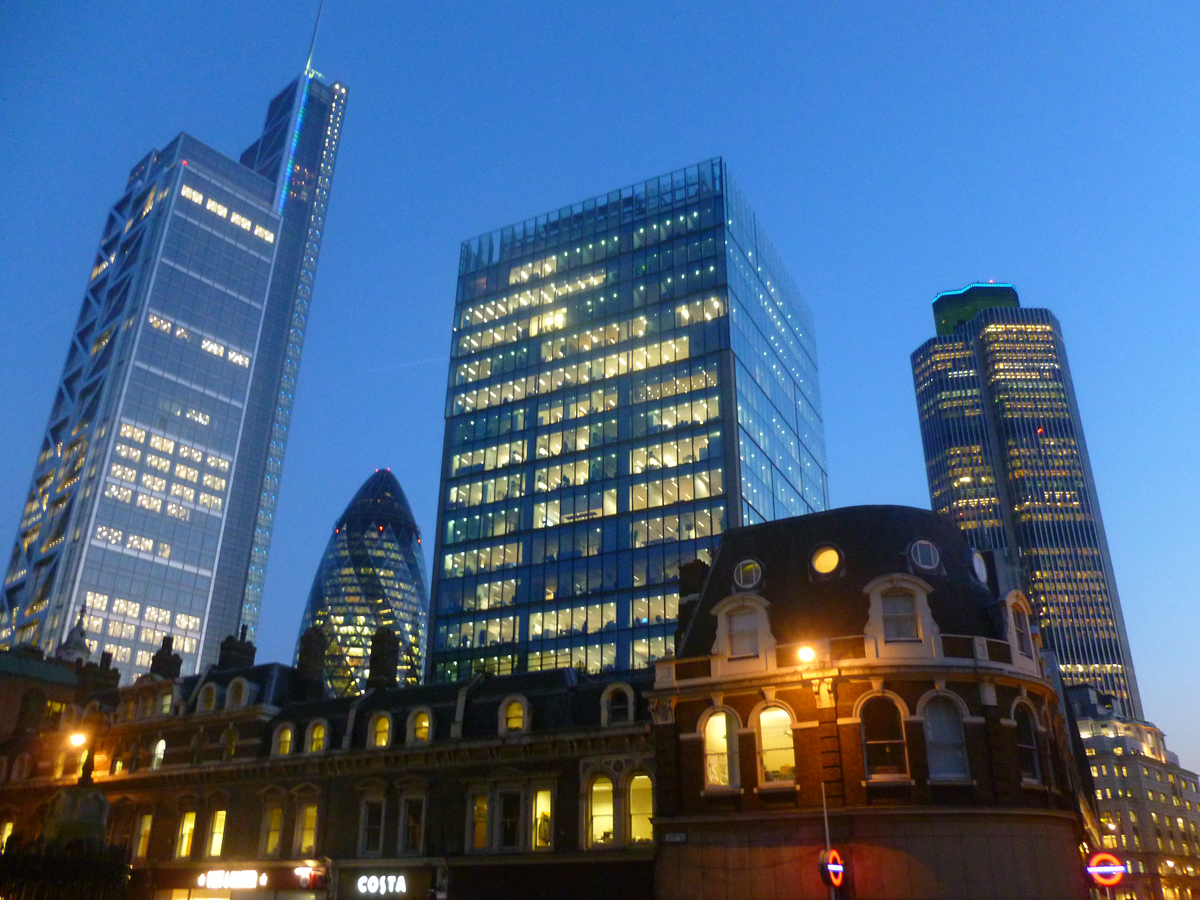
The City, London, February 2013 (Research image by Mark Curran)
However, I wish to briefly highlight a recent commentary piece by Luyendijk, titled, Our banks are not merely out of control. They’re beyond control. The full text can be read here. At the heart of the article is the realisation of the profound dysfunctional nature and structure of this sphere and as Luyendijk also observes, the market as construct being a central source of that dysfunctionality:
The reality is that global high finance is de facto a set of interlocking cartels that divide the market among themselves and use their advantages to keep out competitors.
In spite of the devastating global economic circumstance, it would seem to be business as usual. Just over 4 weeks ago, I recorded a conversation with a banker working in The City, who forthrightly stated, ‘the market has a history, but very little, if any memory’. As this project has evolved with resonances of Luyendijk observations, we may need to remember.
UNCERTAIN STATE – Temple Bar Photography Summer School
June 25, 2013 § Leave a comment
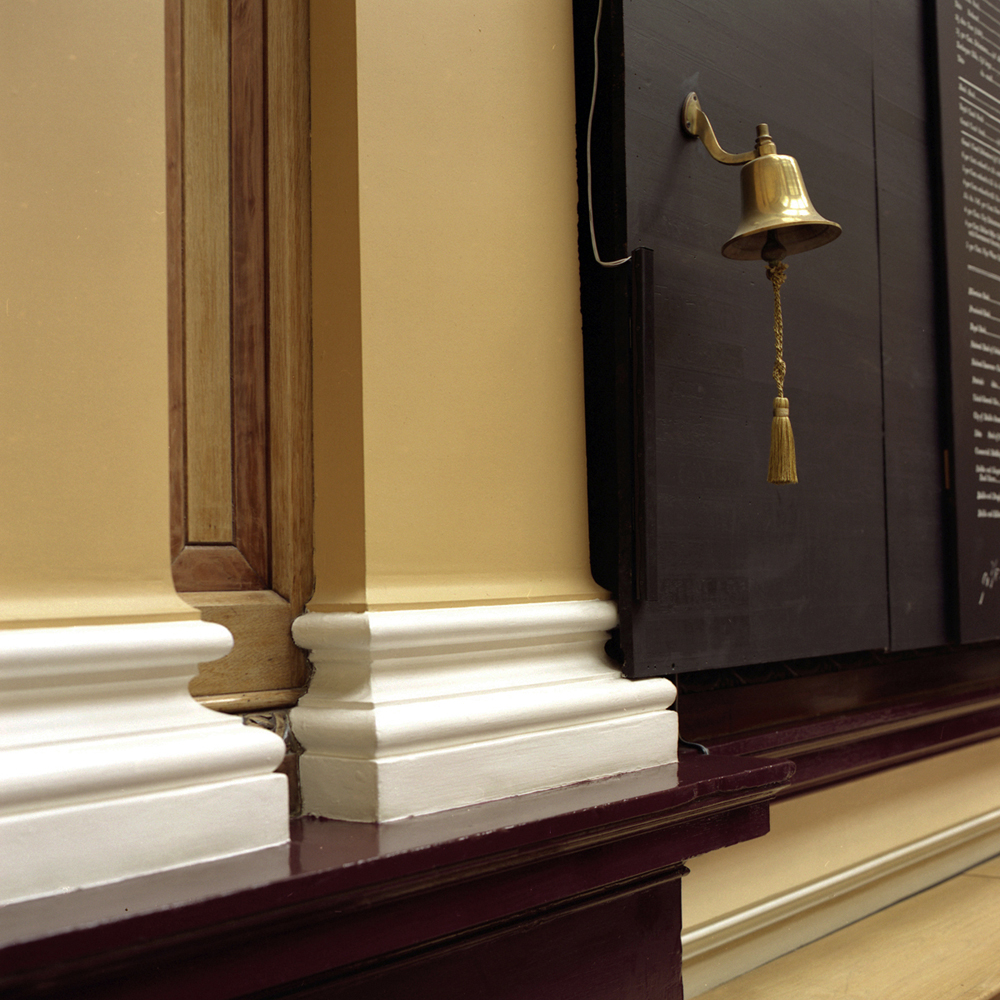
Bell, Decommissioned Trading Floor
Irish Stock Exchange (ISE)
July, 2012 Dublin, Ireland
from THE MARKET, a project by Mark Curran
The inaugural Temple Bar Photography Summer School takes place this Friday and Saturday, June 28 and 29 at Dublin’s Project Arts Centre. The two-day programme will explore how contemporary photographers are responding to this moment of uncertainty and instability in contemporary Ireland. The event further links in with the forthcoming group exhibition at the Gallery of Photography, titled Uncertain State. The accompanying text for the exhibition questions:
How is photography responding to the crisis? Uncertain State looks at how photographic artists are representing this period of austerity and uncertainty in Ireland. Their work addresses important issues at the heart of where we are now: contested and hidden histories, effects of the global financial crisis and the radically altered social and physical landscapes. The ten artists in Uncertain State go beyond surface readings to reflect the emerging concerns in post-Celtic Tiger Ireland: the treatment of asylum seekers; institutional abuse; sexual abuse; emigration; the legacy of the property crash; identity; disadvantage & marginalisation; and the legacy of conflict.
Such themes will be the subject this weekend and will include the following leading artists, academics, historians and writers:
Dr. Luke Gibbons (Academic and Writer, NUIM)
Val Connor (Curator, NWCI Legacy Project)
Helen Carey (Director,Limerick City Gallery)
Pat Cooke (Curator and Academic, UCD),
Mark Curran (Artist and academic,IADT),
Tommy Graham (Editor, History Ireland),
Michael Hinch (Editorial Imaging Manager,Independent Newspapers Ireland),
Colette O’Flaherty – Keeper of Archival Collections,
Liam Kennedy (Writer and academic, UCD),
David Farrell (Artist and academic, IADT),
Seán Hillen (Artist),
Paul Seawright (Artist and academic, UU),
Caoimhín Mac Giolla Léith (Writer and academic,UCD)
Declan Long (Writer and academic, NCAD)
Anthony Haughey (Artist and academic, DIT)#
Full details and how to book a place can be found here.
 THE MARKET